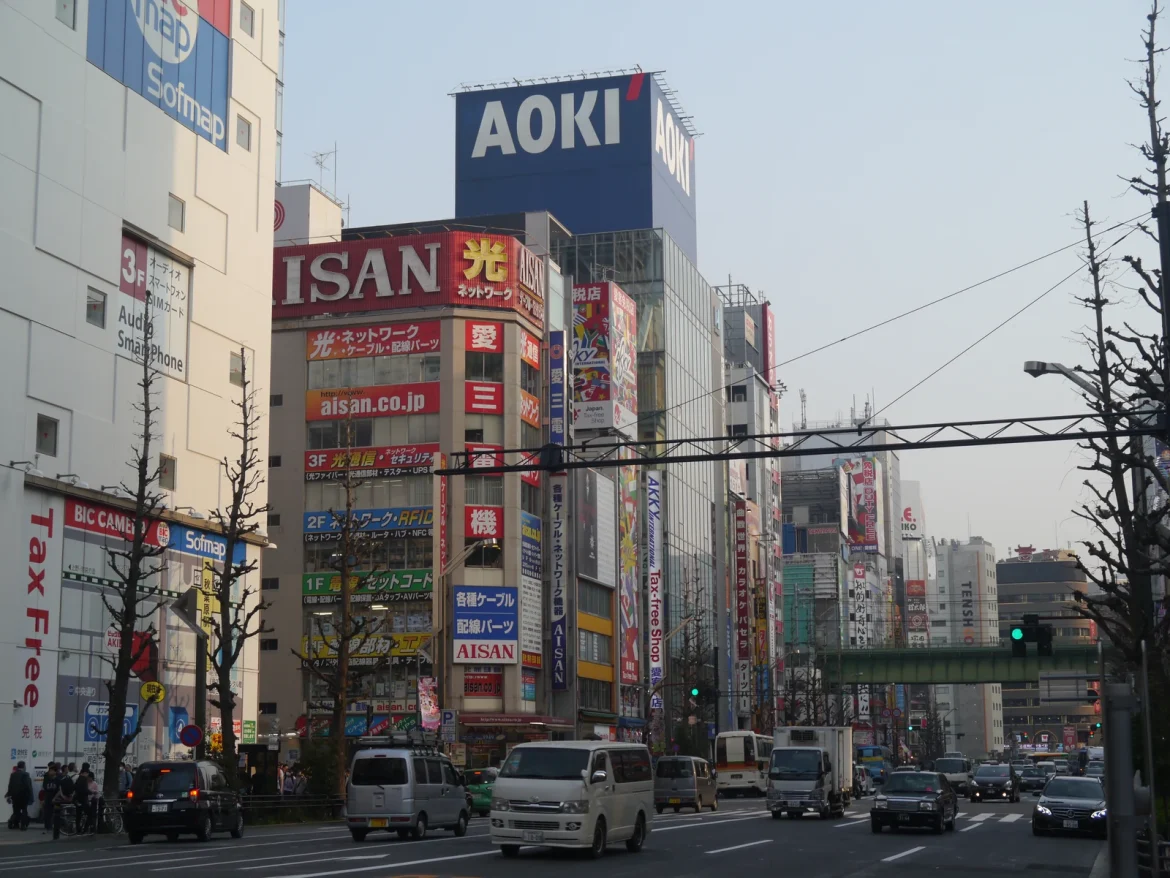
For a first visit to Akihabara, start at JR Akihabara Station’s Electric Town Exit and allow three to four hours. Choose a few stores that match your interests, add an arcade or capsule-toy stop, and finish with food or a walk near the Kanda River. Arriving around lunchtime usually makes more sense than treating the district like an early-morning market.
Akihabara is a neighbourhood of specialist shops, not one continuous anime attraction. The main road, Chuo-dori, is only the starting point: figures, trading cards, retro games and computer parts are spread through side streets and multi-storey buildings. A collector can easily spend a day here; someone who wants the street atmosphere and a large electronics store may be satisfied in two hours.
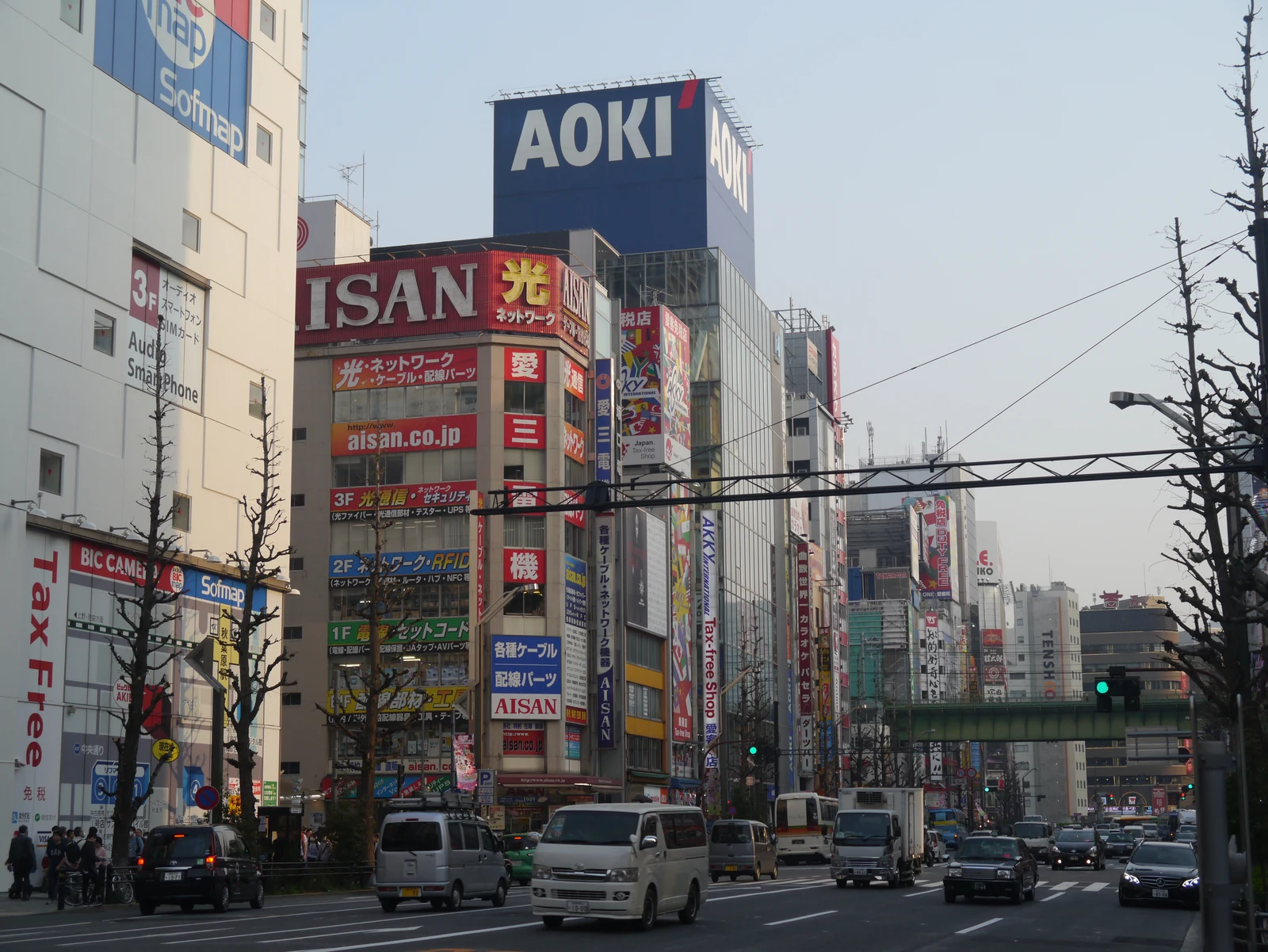

Is Akihabara worth visiting?
Yes if you enjoy anime, manga, games, figures, electronics or niche shopping. It also works for people interested in arcades, capsule toys and Tokyo’s commercial streets. If none of those appeals, make it a short stop between other areas rather than devoting a full day to it.
| Interest | Best focus | Suggested time |
|---|---|---|
| First-time visitor | Electric Town, one hobby building, an arcade and an electronics store | 3–4 hours |
| Anime or figure collector | New-release shops, second-hand stores and selected specialist floors | Half a day or longer |
| Gaming | Retro games, consoles and an arcade | 3–4 hours |
| Electronics | A large retailer plus stores for your exact product category | 2–3 hours |
| Non-anime companion | Electronics, crafts, Kanda Myojin and riverside streets | 2–3 hours |
| No shopping plans | Street walk and one nearby stop | 1–2 hours |
These are suggested sightseeing allowances, not the time needed to inspect every floor. If one person is searching for a particular collectible, agree on a meeting place and split up for part of the afternoon. It is much easier than expecting everyone to enjoy two hours comparing figure boxes.
Akihabara has no district admission fee. These are optional paid walking-tour and themed-café experiences, not tickets to enter the neighbourhood. Check the selected package’s language, age rules, time limit and inclusions before booking.
Understand the area before choosing shops
Electric Town Exit and Radio Kaikan
This is the clearest introduction for most first-time visitors. Radio Kaikan places multiple hobby retailers close to the JR station, so you can compare the kinds of merchandise available before deciding where to spend the rest of the afternoon. Check the floor directory rather than entering every shop automatically.
Chuo-dori and the Sotokanda side streets
Follow the main road for the large signs and broad overview, then turn into selected side streets for second-hand goods, specialist hobbies and electronics. Keep an eye on upper-floor signs. Some stores occupy only one floor of a building, and the category can change completely between levels.
Suehirocho and the northern end
Suehirocho Station is useful for approaching from the north and browsing south toward JR Akihabara. It also gives you a different start if combining the area with Okachimachi or Ueno. Do not return to the same station just because it was your arrival point.
The station’s east side
The large Yodobashi electronics store is on the station’s eastern side. If it is your main target, navigate to that store rather than assuming the Electric Town Exit is always the correct exit. Crossing the station area later is a reasonable part of a mixed hobby-and-electronics afternoon.
The Tokyo Akihabara visitor guide provides an overview of the district. For a street-level orientation, consult the Akihabara Electric Town association’s town guide and multilingual map.
Where to shop: choose by category
Radio Kaikan for a first look at figures and hobby goods
Radio Kaikan is an efficient first stop because different retailers share one building. Its general opening hours are 10:00–20:00, with separate arrangements for some facilities. Use the building’s access information and store directory to locate the businesses you actually want.
It is particularly useful for setting a reference point: look at the price, edition and condition of a figure before visiting second-hand shops. A familiar character does not mean two boxed items are the same release or scale.
Mandarake Complex for second-hand collecting
Mandarake Complex is a focused option for collectors who want pre-owned manga, toys and other specialist goods. Its stock and floor categories make browsing very different from a general souvenir shop. Check the Complex store information for the current floor guide and hours.
Condition labels matter. Ask about missing accessories, repairs, opened packaging or damage before paying, especially if you cannot read the Japanese description. A lower price may reflect a meaningful difference rather than a better bargain.
Electronics and computer parts
A large retailer such as Yodobashi is a straightforward choice for comparing mainstream cameras, headphones and consumer electronics. More specialised component shops suit buyers who already know the specification they need. Akihabara Radio Centre offers another connection to the district’s electronics heritage.
Before buying, confirm the exact model, language settings, voltage requirements, plug, keyboard layout, regional restrictions and overseas warranty. A low Japanese price is less useful if the product is inconvenient to use or repair at home. Check airline rules separately for batteries and anything that may need special packing.
Retro games, cards and limited stock
For retro games, compare the cartridge or disc, language, region, box and manual as a set. For cards, compare condition and edition rather than only the character or artwork. Make a short target list before shopping: a photograph and exact product name are useful when asking staff.
Rare second-hand stock can disappear while you browse, but that does not make every item an urgent purchase. For common goods, comparing two or three shops is sensible. For an unusual item, decide your acceptable price and condition in advance.
A realistic four-hour Akihabara route
| Approximate time | Plan | Why it works |
|---|---|---|
| 13:00 | Arrive at the Electric Town Exit | Orient yourself before choosing the first building |
| 13:15–14:00 | Radio Kaikan or another priority hobby store | Get a useful overview without committing to every floor |
| 14:00–15:00 | Chuo-dori and one second-hand specialist | Compare categories, prices and condition |
| 15:00–15:30 | Arcade or capsule toys | Add a short activity rather than another long shopping session |
| 15:30–16:30 | Electronics store or your second main shopping target | Keep this block flexible for the group’s interests |
| 16:30–17:00 | Food, a break or the Kanda River / Manseibashi area | Finish without having to rush to one last store |
This is a suggested route, not a claim that every store opens at the same time or that queues will be short. A café experience can replace one shopping block. Do not add it on top of an already full four-hour route and expect the schedule to stay unchanged.
For a serious collector: allow five or six hours
Begin with new merchandise, compare specialist and second-hand stores, stop for lunch, then return to the strongest choices. Build in time to inspect purchases and pack fragile items. If you have a strict train or dinner reservation, make the final purchase round earlier rather than searching until closing time.
For families: simplify to three main stops
Choose a mainstream toy or character-goods store, capsule toys or an arcade, then a large electronics store with a food break. Look at floor directories before taking children upstairs: some shops or sections contain adult material. Anime branding alone does not establish that every floor is suitable for a family visit.
Arcades and capsule toys: set a budget first
These are easy ways to add an activity without needing a deep knowledge of anime. Choose a spending limit before starting, especially with children. Crane-game prizes are not guaranteed purchases, and capsule machines are random: the displayed collection does not mean you can select your preferred character.
Check the machine’s payment method and instructions before inserting money. Use the store’s recycling points for empty capsules where provided, keep aisles clear and respect any photography rules. A few deliberate tries are usually more enjoyable than spending the entire afternoon chasing one item.
Maid cafés: understand the experience and the bill
A maid café is a themed entertainment experience rather than an ordinary coffee stop. The total may include an entry or seating charge, a time limit, minimum orders, a meal package and paid photographs or performances. Read the full price structure before entering and ask what happens if you stay longer.
Do not assume you can photograph staff, other customers or the whole interior freely. Use the permitted photo option if the venue offers one, and respect requests from staff. For a first visit, choose a venue or package with a clear description rather than following a street invitation without understanding the terms.
A guided walk is an alternative when you want someone to explain the area and help navigate the experience. It is less useful if your main aim is spending several uninterrupted hours searching for a specific product.
Check the selected date, language, age rules, meeting place and inclusions before booking. A listed product is not a promise that every date or package is available.
Tax-free shopping: the purchase date matters
Not every store participates in tourist tax-free shopping. Ask about eligibility and the procedure before payment, and bring the required identity documents rather than relying on a photograph of your passport. Promotions, card offers and tax treatment do not necessarily combine.
For purchases from November 1, 2026, Japan changes to a refund method: eligible shoppers pay the tax-inclusive amount first, complete the required export confirmation at departure, and receive the tax-equivalent refund through the shop or its provider. The purchase date determines which system applies. Check the Japan Tourism Agency’s traveller guidance and our Japan tax-free refund explainer if your trip crosses the changeover.
For purchases under the new system, complete departure customs confirmation before checking in the bag containing your tax-free goods. You need to have all the relevant purchases with you and allow time for an inspection if selected. Refunds are handled by the shop or its provider rather than being an automatic cash payment at every airport desk.
Keep receipts and product details together. The export procedure and refund arrangements are separate from your home country’s import allowance, which you should check before bringing back expensive electronics or large quantities of goods.
Sunday pedestrian zone and the best time to visit
The regular Sunday pedestrian-zone hours on Chuo-dori are 13:00–18:00 from April to September and 13:00–17:00 from October to March. The vehicle-free section runs between the Sotokanda 5-chome and Manseibashi intersections. Weather, strong winds or safety conditions can cause cancellation.
Check the Electric Town association’s pedestrian-zone page and current notices on the day. When it is operating, the street provides a different perspective on the district, but it is not an unrestricted event space: performances, selling and bicycle riding are among the prohibited activities.
A weekday afternoon is a sensible choice for a shopping-focused visit. Evening suits illuminated signs and dinner, but do not leave your priority stores until late because their closing times vary. During hot or rainy weather, alternate short outdoor walks with larger indoor stops instead of criss-crossing the district repeatedly.
Getting to Akihabara: choose the line and exit
JR Akihabara is served by the Yamanote, Keihin-Tohoku and Chuo-Sobu local lines. Tokyo Metro’s Hibiya Line and the Tsukuba Express also serve Akihabara, but their entrances and routes through the station area differ. Suehirocho, on the Ginza Line, is useful for the northern end of Chuo-dori.
- From Tokyo or Ueno: JR offers a straightforward approach. Follow Electric Town Exit signs for the main hobby-shopping area.
- From Shinjuku: a Chuo-Sobu local train provides a direct option; check the train type rather than assuming every Chuo service stops here.
- From Ginza, Tsukiji or Roppongi: the Hibiya Line can be convenient, with a walk from its station area toward Electric Town.
- From Asakusa: the Tsukuba Express is an option, but its Asakusa station is separate from the Ginza Line, Toei and Tobu station area.
A Tokyo Subway Ticket does not cover JR trains or the Tsukuba Express. Buy a pass because it fits the whole day’s eligible journeys, not merely because Akihabara appears on your route. An IC card can be simpler for a mixed-line itinerary.
What to combine with Akihabara
Kanda Myojin and Ochanomizu
Kanda Myojin provides a shrine visit near the Electric Town area. Start there before the shopping day develops, or use it as a change of pace later. Continue toward Ochanomizu if musical-instrument shops interest you, with Jimbocho’s booksellers a further option rather than an obligatory extension.
Ueno, Okachimachi and 2k540
A museum or park visit in Ueno followed by Akihabara shopping makes a varied day. Between Okachimachi and Akihabara, 2k540 AKI-OKA ARTISAN is a useful alternative for crafts and design. Check its calendar and individual shop hours before making it the main reason for walking between the districts.
Asakusa or Tokyo Skytree
Asakusa in the morning and Akihabara in the afternoon gives a strong contrast between temple streets and modern shopping. Families may prefer a shorter Akihabara visit followed by the Skytree area. Avoid treating Asakusa, Ueno, Akihabara and Skytree as four equally detailed stops in one day.
Use our Tokyo itinerary guide for the broader sequence, or things to do in Tokyo by area to decide which district deserves more of your time.
Akihabara FAQ
Does Akihabara have an admission fee?
No. It is a public shopping district. Shops, food, games, tours and themed experiences have their own charges.
Is a half-day enough?
Usually, for a first visit. Three or four priority stops give a better introduction than rushing through a dozen buildings. Collectors should allow longer.
Is it worth going if I do not watch anime?
Yes if electronics, games, crafts or specialist shopping appeal. Otherwise, make a short street walk and add Kanda Myojin or another nearby area.
Are figures always cheaper here?
No. The advantage is selection and the ability to compare stores. Edition, condition, scarcity and included accessories all affect value.
Can I visit with a stroller or someone who tires easily?
Choose larger stores and fewer stops. Narrow aisles, lifts, stairs and long periods standing can be more tiring than the distance between buildings.
Do I need Japanese to shop?
Not for general browsing. For expensive or second-hand products, ask staff to clarify the specifications and condition before payment. Do not guess at a label that affects the purchase.
Is Sunday always the best day?
It is attractive for the pedestrian zone when operating. A weekday afternoon may be better for unhurried shopping, and Sunday road closure is not guaranteed.
Akihabara or Ikebukuro?
Choose according to the works and goods you follow. Akihabara combines electronics, games, models and anime in one district; different specialist shops in Ikebukuro may suit your collecting interests better. If a particular item is the goal, research that item rather than relying on a broad neighbourhood label.
Which station exit should I use?
Start at JR Akihabara Station’s Electric Town Exit for Radio Kaikan and the main hobby-shopping area. For Yodobashi, head toward the station’s eastern side instead.
Does a Tokyo Subway Ticket cover the journey?
It covers eligible Tokyo Metro and Toei Subway journeys, including the Hibiya Line to Akihabara. It does not cover JR or the Tsukuba Express, so check which operator your route uses.