
Kyoto’s New Year in 2026–2027 works best as a worship-led trip: shrine traditions, a manageable evening walk and a clear way back to your room. For Yasaka Shrine’s Okera-mairi custom, base the night around Gion and Shijo. For Fushimi Inari, make the Inari area a separate plan rather than joining both into a midnight race.
Hatsumode is the first visit to a shrine or temple in the New Year; it does not have to happen at exactly 00:00. With children, older companions or onward travel, a January 1 daytime visit can be easier. This guide plans the December 31, 2026–January 1, 2027 transition while leaving ritual participation to each institution’s current instructions.

Choose one main purpose
| Focus | A practical plan | Accommodation logic | Main consideration |
|---|---|---|---|
| Yasaka Shrine and Okera-mairi | Gion dinner, rest, evening worship | Gion or Shijo with a checked walk | Fire-rope handling and crowd controls |
| Fushimi Inari hatsumode | Inari as its own night or daytime outing | Nearby for the night; Kyoto Station for a daytime rail trip | Worship queues are separate from a torii-gate hike |
| New Year’s Eve temple bells | Choose a temple after verifying participation | Based on that temple and the return route | Viewing versus ringing; possible tickets or reservations |
| A restful New Year | Early dinner, sleep, daytime worship | Keep your existing accommodation | Daytime can still bring queues |
If photographs of buildings and torii gates are your priority, daylight is a useful choice. Midnight worship does not need to include every famous Kyoto landmark.
Yasaka’s Okera-mairi: understand the custom
Yasaka Shrine’s annual festival introduction describes Okera-mairi from New Year’s Eve night into New Year’s morning. Worshippers traditionally transferred sacred fire to a rope and took it home for the New Year hearth. The shrine also describes keeping an extinguished rope as a household protective item, so travellers do not need to carry a live ember through the city to appreciate the custom.
Follow shrine staff if receiving or handling a rope. Do not swing it for photographs or bring it near clothing, hair or luggage. Ensure any ember is safely extinguished before leaving; do not carry burning or smoking items into transport or accommodation. Simply observing respectfully and praying is a valid way to visit.
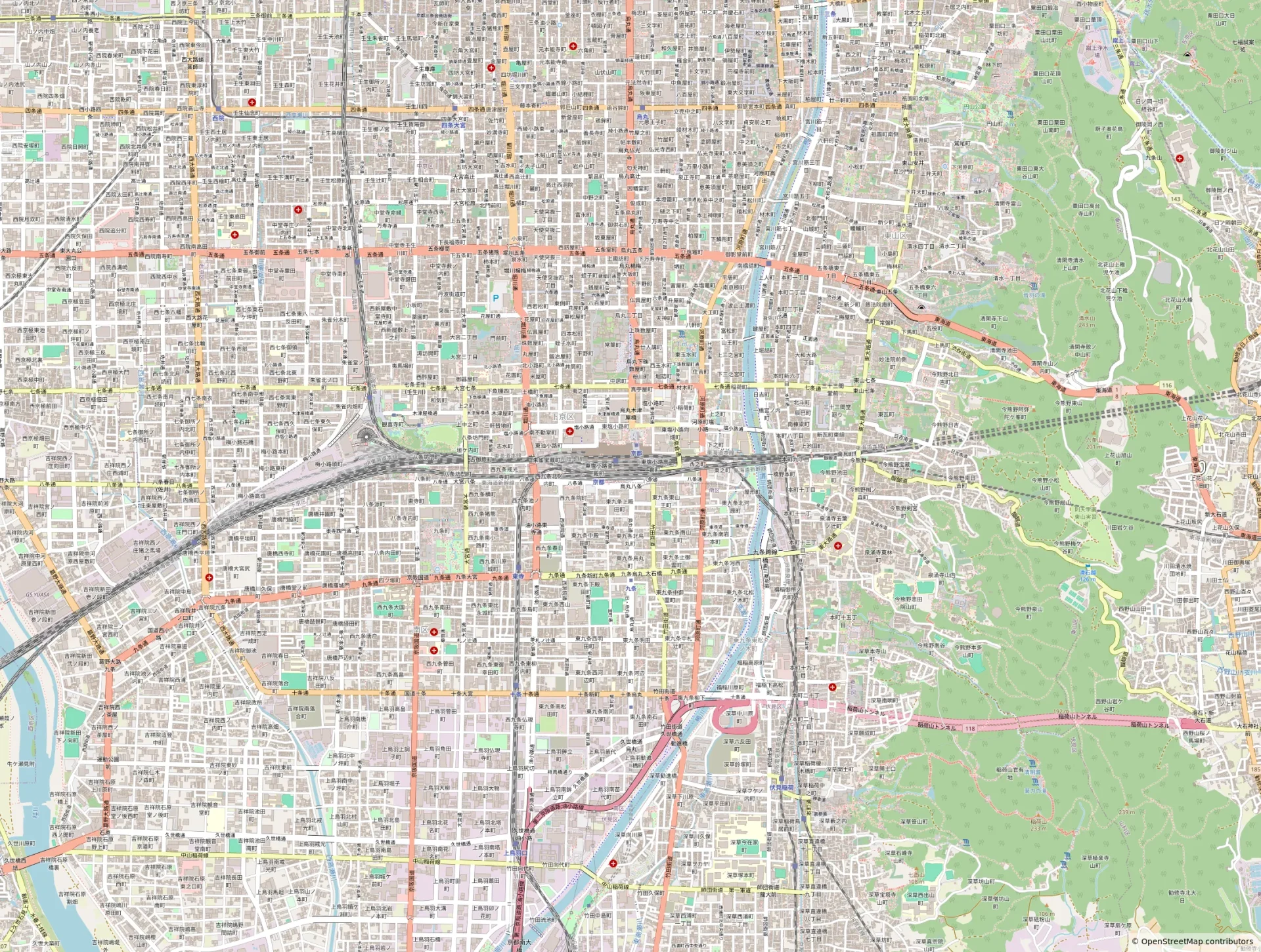
The official access page gives ordinary walks of about five minutes from Gion-shijo Station and eight from Kyoto-kawaramachi. Those figures exclude New Year queues and diversions. General 24-hour worship access does not promise unrestricted entrances or every service throughout the holiday night.
Fushimi Inari: separate worship from hiking
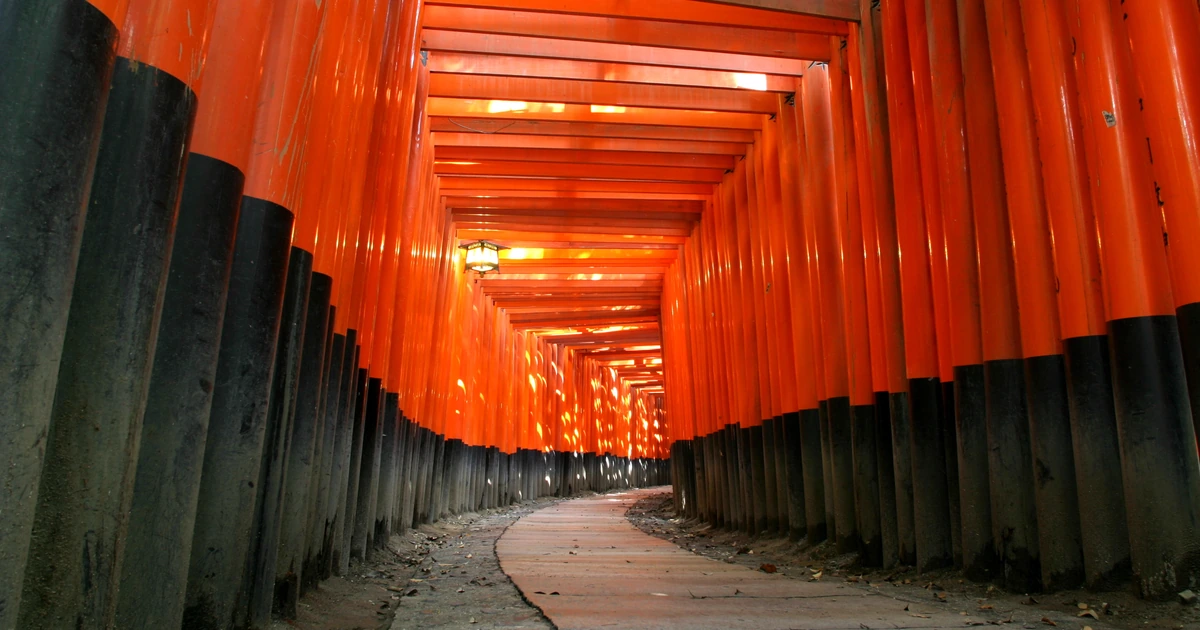
Make the main worship area your initial goal, then decide whether to walk farther based on conditions and energy. Reaching the mountain summit is not a requirement of a New Year visit. The existing Fushimi Inari guide covers the shrine and general sightseeing; use that separately from the holiday-night plan.
The shrine’s access page places JR Inari Station immediately by the approach and Keihan Fushimi-inari Station about a five-minute walk west of the shrine. Short normal distances do not remove holiday queuing or controlled pedestrian routes. The shrine recommends public transport and attention to New Year traffic restrictions, so driving in search of a nearby space is not a reliable shortcut.
For the torii paths, daylight and shoes suitable for steps make a more relaxed combination. Do not block worshippers while waiting for an empty photograph. If someone is tired or uncomfortable in darkness, turn back rather than treating a complete hike as essential.
Temple bells: hearing them and ringing them are different
Before planning a joya-no-kane visit, ask whether the temple admits general visitors, allows participation or viewing only, requires reservations or numbered tickets, and gives a specific assembly process. Confirm any fee in the current announcement. Old prices and previous years’ allocation systems do not establish the 2026–2027 arrangements.
Avoid making “arrive at 23:00 and join the bell queue” a fixed plan without confirmation. A shrine visit can stand on its own; adding a temple is optional, particularly when dinner, waiting and the return already fill the evening.
Two routes that work better separately
For the Gion route, check in or leave luggage in the afternoon, have dinner at a restaurant confirmed open, add warm layers and visit Yasaka. Return along a street route checked in advance to a walkable Gion or Shijo base. This is a suggested walking-based plan, not a claim that every nearby shop stays open.
For the Inari route, nearby accommodation with a checked night walk supports making the shrine your only late stop. If staying near Kyoto Station and avoiding reliance on night trains, sleep on December 31 and travel during operating hours on January 1. Worship, a break and lunch can be a complete half-day.
The existence of a normal Keihan connection does not establish overnight service between the two areas. Verify the date, direction and each connection if rail travel is essential.
Rooms, meals and keeping the group comfortable
Gion and Shijo are logical for Yasaka. Kyoto Station helps a daytime JR trip to Inari, but is not automatically a nearby midnight walking base. Check the hotel address, street distance, luggage storage, overnight entrance and cancellation conditions. A room booking does not grant priority shrine or bell access.
Confirm dinner and breakfast openings, keep large luggage at the hotel, carry some coins and agree a meeting point. Prioritise warmth and rest over reaching the worship area at an exact minute. Combining Osaka’s countdown with Kyoto’s early-morning visit is only sensible when transport, sleep and accommodation all work. For most short visits, one city as the night’s base is simpler.