Hokkaido is one island, but it is not one compact sightseeing zone. The biggest planning mistake is treating Sapporo, Otaru, Furano, Biei, Noboribetsu, Lake Toya, Hakodate and eastern Hokkaido as if they were neighbouring districts. A better first step is to choose one main region, decide what kind of trip you want, and then add places that connect naturally. Sapporo and Otaru work well for a city-focused trip with food, shopping and an easy coastal side trip. Furano and Biei suit travellers prioritising rural scenery, summer flower landscapes or winter snow activities. Noboribetsu and Lake Toya make more sense for a slower onsen-focused stay. Hakodate has a distinct port-city character and usually deserves its own base, while eastern Hokkaido is best approached as a separate nature-led journey rather than a simple extension of Sapporo.
78 articles

Asahikawa Car Rental 2026: Airport Pickup, Biei, Furano & Winter
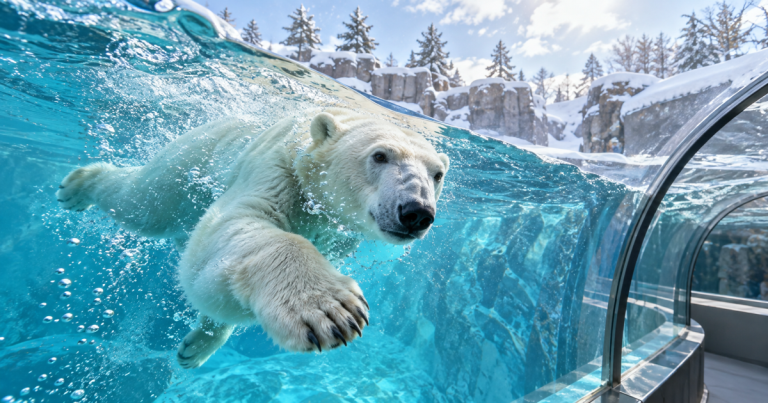
Asahiyama Zoo Guide 2026|Penguin Walk, Tickets, Animals, Route and Travel Tips

Mount Asahidake Guide 2026: Ropeway, Hiking Routes, Autumn Foliage & Winter Travel Tips
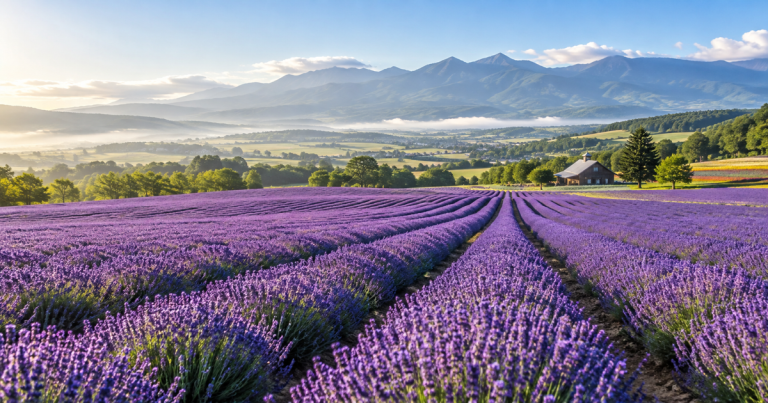
Farm Tomita Guide 2026: Lavender Fields, Flower Seasons, Tickets, Transport & Furano Itinerary

Furano Ski Hotels 2026: 10 Stays Compared by Ski Area
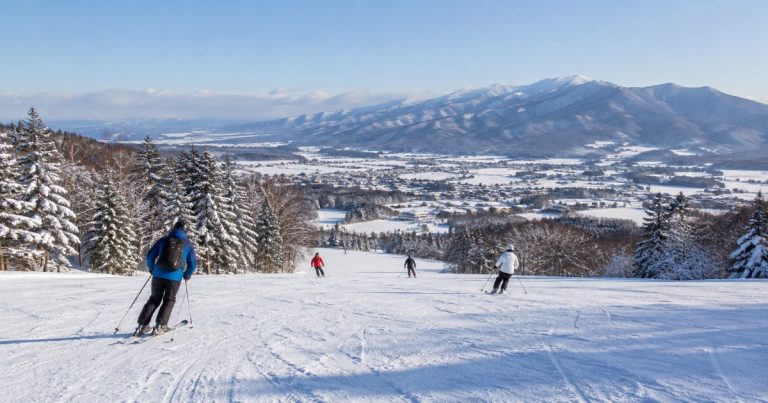
Furano Ski Resort 2026: 2026–27 Lift Passes, Map and Beginner Lessons

Shikisai no Oka Guide 2026|Flower Fields, Tickets, Transport and Winter Activities
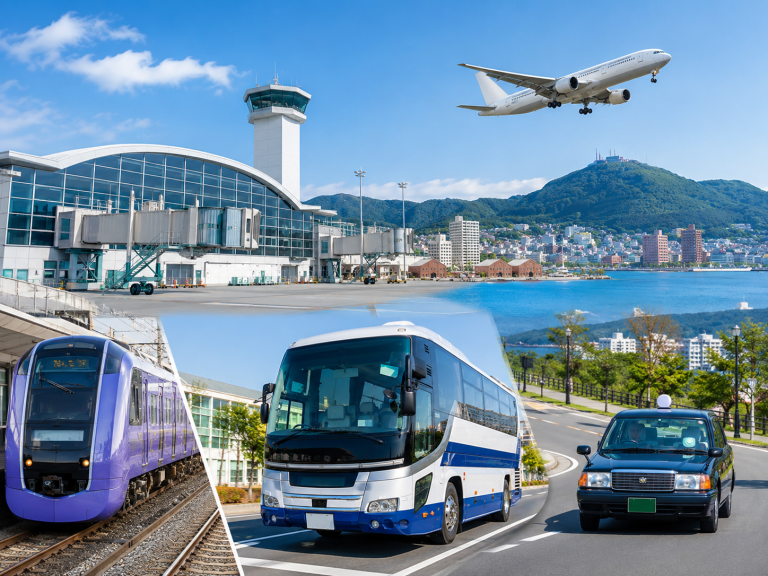
Hakodate Airport Transport 2026: Buses, Fares and Hotel Areas

Hakodate Autumn Leaves 2026: Kōsetsu-en and MOMI-G Lights

Hakodate Car Rental 2026: Airport, Stations & Southern Hokkaido
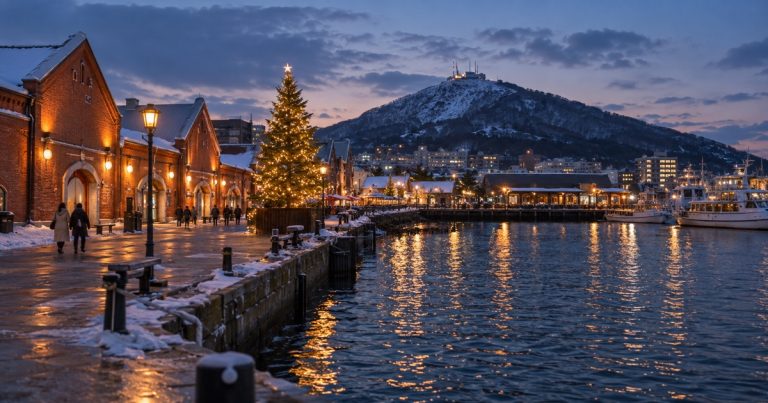
Hakodate Christmas Fantasy 2026: Fireworks, Soup Bar, Map and Evening Route
Hakodate Lights 2026: Hachimanzaka, Kaikodori and Tram Access

Hakodate to Noboribetsu 2026: Train, Bus & Fares

Hakodate Travel Guide 2026: 2–3 Days, Night Views and Trams
New Chitose Airport to Niseko Transportation 2026: Bus, Train, Transfer and Car Guide
Niseko Ski Hotels 2026: 12 Stays and the Best Areas Compared

Niseko Ski Resort Guide 2026: Four Areas, 2026–27 Lift Passes and Beginner Planning
Niseko Village Ski Guide 2026–27: Passes, Lessons & Map
Lake Toya Illumination Tunnel 2026: Dates, Hours and Buses

New Chitose Airport to Noboribetsu 2026: Bus vs Train

Noboribetsu Jigokudani Guide 2026: Trails, Transport, Footbath & Onsen Tips

Noboribetsu Marine Park Nixe Guide 2026|Tickets, Penguin Parade, Shows, Transport & Worth Visiting

Kitaichi Glass Otaru Guide 2026|Shops, Café, Lamp Hall Experience, Access and Is It Worth Visiting?

Mount Tengu Otaru Guide 2026: Ropeway, Night View, Winter Ski & How to Visit
Choose a region before building a sightseeing list
Sapporo is the most practical urban base in central Hokkaido and pairs naturally with Otaru, which lies to the west. Furano and Biei offer a different style of trip, with agricultural landscapes and flower viewing in warmer months and ski or snow-focused travel in winter. Noboribetsu and Lake Toya are better choices when hot springs and a slower pace matter more than city sightseeing. Hakodate sits in a different part of the island and should not be treated as a casual add-on to a short Sapporo stay. Eastern destinations such as Kushiro, Abashiri and the Shiretoko area require even more deliberate planning.
Rail and car travel solve different problems
Rail is often the easiest option for major cities and established corridors, especially for travellers who prefer not to drive in winter. A car can be valuable for rural areas, scenic stops and routes where attractions are spread out, but Hokkaido distances are easy to underestimate. Winter driving adds another layer of risk through snow, ice, reduced visibility and changing road conditions. Travellers without genuine winter-driving confidence should not rent a car simply because it looks more convenient on a map; combining rail, buses, transfers and local tours can be a far more relaxed choice.
Pick your base according to season and daily priorities
A strong Hokkaido itinerary usually has fewer bases and more useful time in each one. Sapporo suits travellers whose days revolve around city sightseeing, dining, shopping and selected excursions. Staying in Furano or a ski area is more practical when you want early access to slopes, countryside scenery or seasonal activities rather than repeated returns to Sapporo. In summer, an overnight stay around Furano or Biei can reduce rushed day trips. In winter, check how you will actually move between your hotel, station, bus stop and ski area, particularly if you have children, large luggage or ski equipment.
Explore more
Frequently asked questions
What is a good first-time Hokkaido route?
Start with one main region, such as Sapporo and Otaru, then add one secondary area that matches your interests. Avoid assuming that every famous Hokkaido destination fits naturally into one compact itinerary.
How many days do I need for Hokkaido?
There is no universal ideal length because the answer depends on how many regions you include. A slower trip with fewer long transfers is often more satisfying than trying to cover the whole island.
Can I travel around Hokkaido without a car?
Yes, especially for Sapporo, Otaru, Hakodate and other established urban routes. For rural areas, check rail, bus and transfer options carefully and build in flexibility rather than assuming frequent connections.
Should I drive in Hokkaido in winter?
Only if you are comfortable with genuine winter road conditions. Snow, ice and limited visibility can make rural driving demanding, so rail, buses or arranged transfers are often the better choice for inexperienced winter drivers.
Should I stay in Sapporo or at a ski resort?
Stay in Sapporo if food, shopping and urban sightseeing are your main priorities. Stay near the ski area if you expect to ski most days and want to reduce repeated transfers with gear.
Can I combine Hakodate and Sapporo in one trip?
Yes, but treat them as separate bases rather than nearby sightseeing areas. Adding Hakodate usually means giving it proper space in the itinerary and reducing time elsewhere.
Is Furano and Biei suitable as a day trip from Sapporo?
It can work, but a day trip puts more pressure on transport timing and reduces flexibility once you arrive. If the countryside itself is a major reason for your trip, staying locally is usually more rewarding.
Is eastern Hokkaido suitable for a first visit?
Yes for travellers who prioritise wildlife, landscapes and nature over city convenience. If this is your first visit and you want an easier introduction, central Hokkaido is generally simpler to organise.