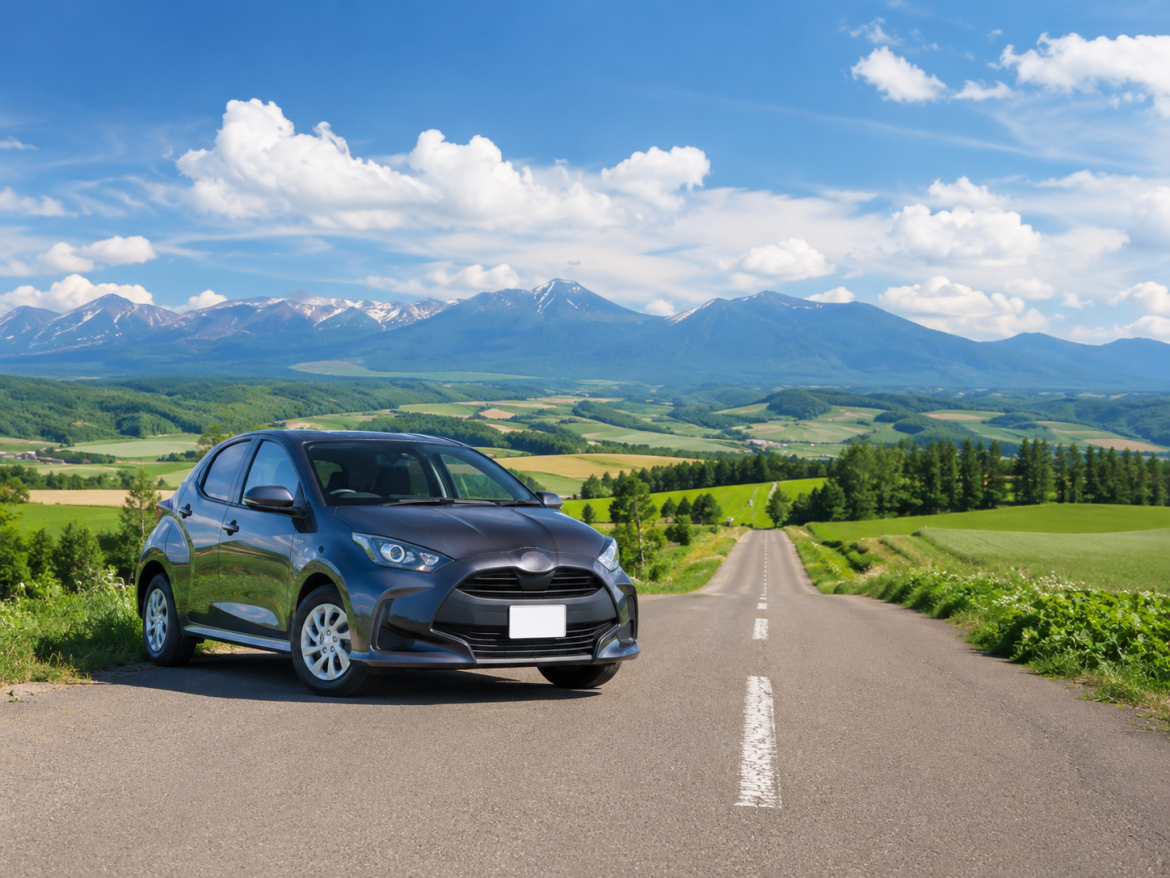

Use an Asahikawa rental for the countryside
Renting in Asahikawa makes the most sense when you want to link Biei’s Blue Pond and Shirahige Waterfall, Furano’s seasonal flower fields, or a stay around Sounkyo or Asahidake. A car gives flexibility between scattered sights and room for luggage. It is much less useful for a day around Asahikawa Station or a simple visit to Asahiyama Zoo, which has public-bus access.
The first decision is airport versus station pickup. Arriving by air and driving straight towards Biei favours the airport; spending a night in the city or arriving from Sapporo by JR favours a station-area branch the following morning. The Hokkaido rental guide and Japan car-rental guide help with the wider itinerary and document requirements.
The suggestions below are optional activities, not a substitute for choosing a self-drive rental contract. Check each product’s departure point, dates and inclusions.
Airport or station: choose around your first and last day
| Situation | Better starting point | Why |
|---|---|---|
| Land and continue to Biei or Furano | Asahikawa Airport | Avoid going into the city and back out again |
| Arrive by JR from Sapporo | Asahikawa Station area | Begin driving after the rail journey |
| First night near the station, no evening drive | Station pickup next morning | Save an idle rental night and parking cost |
| Fly out of Asahikawa after touring | Airport return office | Book the right branch and allow its transfer process |
| Continue by JR after touring | Station-area return | Avoid an unnecessary airport trip |
The airport’s access guide gives approximately 16 km and 30 minutes between the airport and Asahikawa Station under ordinary conditions. Treat that as a planning reference, not a winter promise. Biei lies on the other side of the airport from central Asahikawa, so the city is not automatically a useful first stop.
Check the actual office map before booking. A “station” search result may involve a walk or a supplier pickup, and not every location sits outside the same exit. If collecting after a rail arrival, allow for finding the office and completing the handover. A late flight needs an explicit delayed-arrival plan; a branch closing at 20:00 does not mean an aircraft can land at 19:55 and still permit collection.
Rental companies and the hours that matter
The official airport rental directory and counter map lists Toyota, Nissan, Nippon, Times, ORIX, World Net, Honda and Budget. The staffed reception area is beside the information desk in the first-floor domestic arrivals lobby. Conventional rentals usually continue by shuttle to an office. Separately, the airport lists preregistered car-sharing services near the terminal; those are different products with their own eligibility rules.
| Verified branch example | Published hours | Practical difference |
|---|---|---|
| Toyota Asahikawa Airport | 08:00–20:00 April–October; 08:30–20:00 much of winter; 10:00–16:00 December 31–January 4 | Airport-counter reporting followed by a free shuttle, approximately ten minutes driving |
| Nippon Asahikawa Airport | Normally 08:30–20:00; December 31, 2026 notice: 08:30–17:00 | Reports a roughly three-minute shuttle after counter reporting; summer queues take additional time |
| Times Asahikawa Airport | 09:00–18:00 | Airport staff attend to reservations rather than remaining permanently at the counter |
| Nissan, ORIX, World Net, Honda and Budget | Use the linked airport directory to check your date and branch | Compare the exact handover, vehicle, protection and return arrangements |
Shuttle driving time is only one part of pickup. Add waiting, loading, documents, the vehicle inspection and child-seat fitting. For families, a confirmed seat and suitable luggage space matter more than a slightly cheaper base rate. For a one-way itinerary, check the receiving office and total drop-off charge before paying.
Compare the complete rental price
Asahikawa rates change with dates, vehicle class, pickup location and supply. Flower season, autumn foliage, holidays and ski dates can tighten availability. Use the same collection and return times for every quote, and include the same level of protection.
| Cost or condition | Question to answer |
|---|---|
| Base rental | What hours, class and mileage terms are included? |
| CDW and NOC | Which excesses and loss-of-use charges remain? |
| Child seats | Is the right type and quantity confirmed? |
| ETC and HEP | Are card hire and pass costs separate? |
| One-way rental | Is the actual return branch permitted and priced? |
| Winter equipment | Are tyres, 4WD and seasonal charges specified? |
| Fuel and parking | What will the route and hotels add? |
| Cancellation or delay | What happens if a flight is late or the rental is cancelled? |
A comparison page is a useful starting point, but open the individual offer to check baggage capacity, exclusions and office details rather than choosing the first low price.
Documents: Taiwan-issued licences and other jurisdictions
The relevant rule follows where the licence was issued, not a traveller’s nationality. A Taiwan-issued licence normally requires the valid original, an authorised Japanese translation and a passport. A Taiwan-issued international permit alone does not replace that route. If the licence has changed, make sure the translation still matches it.
Other accepted routes include a Japanese licence or a valid 1949 Geneva Convention International Driving Permit. A 1968 Vienna-format permit is not sufficient. The current National Police Agency guide also lists Switzerland, Germany, France, Belgium and Monaco under the authorised-translation route. Check its expiry and landing-date rules; short departures by residents do not necessarily restart the allowed period.
Bring original documents, your confirmation and a payment method accepted by the supplier. Every driver must be declared and eligible; do not register only one person and swap drivers later. Age or licence-holding requirements can differ by company and vehicle class, so check the actual offer.
CDW is not the same as NOC protection
Basic insurance, a collision damage waiver and loss-of-use protection are separate contract elements. CDW generally addresses eligible insurance excesses. NOC is the rental company’s charge when damage or another covered event prevents it from renting out the vehicle; a CDW does not automatically waive it.
For a first Japanese road trip, compare packages that explicitly address both. Then check tyres, wheels, glass, keys, underbody damage, towing, misfuelling and single-vehicle incidents. “Full cover” is not a promise that every expense disappears. Reporting requirements, unregistered drivers and prohibited roads can still affect protection.
If a collision occurs, stop safely, contact the police and the rental company, and follow their instructions even for a small scrape. Do not wait until return to mention it. The Nippon rental FAQ is one provider’s explanation of these distinctions and procedures; your own contract governs your booking.
Vehicle size: count cases and child seats as well as people
A compact may suit one or two people travelling light. Several large suitcases, a stroller or ski equipment can justify a larger car even for only two passengers. Four adults with four large cases should compare estates, SUVs and minivans using actual boot dimensions. A seven-seat vehicle can have very little luggage space with all rows occupied.
Confirm how child restraints affect rear-seat width, and whether skis fit without blocking visibility. Do not rely on a free upgrade at pickup. Choose the drivetrain and tyres specified for your conditions; neither a larger car nor a 4WD badge guarantees safe winter handling.
ETC and HEP for an Asahikawa itinerary
ETC is the electronic toll system and card used to record charges. HEP is a separate Hokkaido expressway product offered through participating rental offices with an appropriate rented ETC card. Eligible foreign visitors can apply, as can Japanese nationals with permanent overseas residency. Check documentation and office participation on the official HEP page and road-coverage map.
| Consecutive calendar days | Ordinary car | Light vehicle |
|---|---|---|
| 4 | ¥7,700 | ¥6,200 |
| 5 | ¥9,600 | ¥7,700 |
| 6 | ¥11,600 | ¥9,300 |
| 7 | ¥13,500 | ¥10,800 |
| 8 | ¥15,400 | ¥12,300 |
The current product starts at four days. Rental and card hire are separate, as are roads outside its coverage. For nine days or more, ask the participating supplier about separate consecutive products rather than assuming a mid-trip extension.
Asahikawa–Biei–Blue Pond and most sightseeing links through Furano use ordinary roads, so HEP adds little to that local itinerary. A zoo visit is not a reason to buy it either. Multiple long tolled journeys connecting Sapporo, New Chitose and other regions may justify a comparison. Count the actual tolls, not merely the number of days you have a car.
Airport collection and return, step by step
- Book the correct office and provide flight details as requested.
- After baggage collection, follow the supplier’s first-floor reporting instructions.
- Wait for the instructed shuttle where applicable.
- Present all original driving documents at the office.
- Confirm insurance, NOC, ETC or HEP, child seats and return conditions.
- Inspect existing damage, wheels, glass and fuel with staff, and take photographs.
- Set navigation, test wipers and demisting, and familiarise yourself with the controls before leaving.
The Nippon airport counter and shuttle guide illustrates the distinction: its approximately three-minute shuttle does not include waiting or the vehicle handover. Allow a separate collection buffer after arrival formalities; do not turn a 45–75-minute planning allowance into a guaranteed time from touchdown.
Optional activities below have their own pickup points and schedules. Review them separately from the rental booking.
For return, refuel using the specified fuel and retain the receipt, drive to the contracted return office, complete inspection and toll settlement, then take the airport transfer. Work backwards from the airline’s required arrival at the terminal. A universal “two and a half hours before departure at the rental office” rule cannot cover every domestic and international flight. Leave additional road and queue margin, especially in winter.
Do not assume after-hours returns are allowed. An early flight can require a previous-evening return and a night near suitable airport transport. If delayed, contact the supplier while the office is open.
Winter: when not to drive
Asahikawa winter hazards include black ice, snow-covered road edges, ruts, obscured junctions and blowing snow. Someone learning left-side driving or driving on snow for the first time should choose another way to visit. Four-wheel drive improves traction in some situations; it does not remove braking or visibility limitations.
Nippon’s Hokkaido policy specifies winter tyres and 4WD from November 1, 2026 to April 20, 2027, with a ¥660 daily winter fee capped at ten days for rentals of up to one month. Other suppliers’ dates, charges and guarantees must be checked separately.
- Review weather, closures and visibility before setting out.
- Make smooth steering, acceleration and braking inputs and leave much more stopping room.
- Keep fuel, warm clothing, drinking water, charging and offline navigation available.
- Finish unfamiliar rural journeys before dark where possible.
- Shorten or cancel plans when conditions worsen. Adding a fixed percentage to an app estimate is not a safety guarantee.
Use the Hokkaido transport guide and Sapporo–Asahikawa comparison to build a rail-and-bus alternative before a bad-weather day arrives.
Four driving routes, without an overpacked timetable
1. Biei, Blue Pond and Shirahige Waterfall
For a manageable first outing, collect the car, have lunch around Biei, and visit the Blue Pond and Shirahige Waterfall before returning to your accommodation. The airport can be a convenient start, but a late arrival should mean fewer stops. In winter, an afternoon collection leaves little daylight for an unfamiliar rural route.
Use the Biei tourism association’s English map and visitor guide to identify the official parking areas. Do not stop on narrow farm roads or enter fields for photographs. Parking queues, walking surfaces and attraction access are part of the day, not extra time you can ignore.
2. Biei and Furano for a full day
Start when your station-area branch opens, choose a few Biei stops, have a proper lunch and continue to one seasonal flower-field area around Furano. Leave time to drive back, refuel and return before closing. Trying every viewpoint, café and farm turns the route into a driving marathon. A local overnight stay is better for a slower photography trip.
Spring through autumn is generally the more straightforward season, but mountain conditions and daylight still matter. Do not copy a summer 19:00 return schedule into winter. The Furano–Biei transport guide from Sapporo helps compare starting elsewhere.
3. Asahiyama Zoo and nearby Asahikawa
Give the zoo the main part of the day, checking its seasonal opening and closure dates, then add one nearby stop if time allows. Return the car before a relaxed ramen dinner. If the zoo is your only out-of-town destination, compare the public bus first. Avoid adding both Biei and Furano after a full zoo visit, and keep any brewery or sake stop alcohol-free for the driver.
4. Sounkyo, with an overnight option
A focused Sounkyo day can include the gorge area, selected walks or a ropeway trip when operating. An overnight stay is a better fit for hiking, hot springs, autumn colours or an evening winter event. Check ropeway operations and weather separately; having a car does not guarantee mountain access. Use the Hokkaido autumn-colour guide to plan seasonal priorities.
| Combination | Planning judgement |
|---|---|
| Asahikawa + zoo | Easy to keep focused; a rental is optional |
| Biei + Blue Pond + waterfall | Good half-day-to-full-day focus with sensible arrival timing |
| Biei + Furano | A full day with selected stops, or stay overnight |
| Sounkyo | Dedicated day; overnight for hiking or an evening programme |
| Asahidake | Separate weather-sensitive mountain day |
| Zoo + Biei + Furano | Too rushed for a comfortable first visit |
Families and older travellers
A car can make luggage, a stroller and spare clothing easier to manage, but it should reduce effort rather than increase the number of stops. Children under six generally require a suitable child restraint. Reserve by age, height and weight, confirm the fit, and keep rest stops in the plan. Follow restraint instructions rather than putting bulky clothing between the child and harness.
For older travellers, check whether the vehicle is easy to enter and whether hotel parking involves steps or a slope. Blue Pond and waterfall visits still involve outdoor walking; icy paths can be difficult even when the drive is short. One main route, regular toilet breaks and an indoor fallback are more valuable than an ambitious checklist.
Food stops and where to spend the night
Asahikawa ramen is easy to arrange before pickup or after return, when parking no longer dictates the restaurant. Shinkoyaki chicken makes a relaxed evening meal; do not place a potentially long restaurant queue just before the return deadline. Around Biei, plan lunch before the busiest period, while Furano’s curry, dairy products and ice cream work as stops on a full-day route. Check seasonal opening days rather than relying on a single rural restaurant.
These activity cards are additional options. Confirm the individual itinerary and availability.
Roadside rest areas are useful for toilets, a break and checking conditions, but seasonal opening hours still apply. Keep a practical meal plan for children and older travellers instead of assuming a snack stand will replace lunch.
A station-area stay is useful before a morning pickup and for walking to dinner after return. Biei or Furano suits an early start at the sights and avoids repeated journeys back to Asahikawa. Sounkyo is the logical overnight base for hot springs or evening activities. For hiking or snow plans around Asahidake, compare the Asahidake accommodation guide with a city base, remembering that mountain weather may change the plan.
Alternatives to winter self-driving
An Asahikawa-departure sightseeing bus can link Biei and Furano without requiring you to navigate or drive in snow. The trade-off is fixed stops and less flexibility. Confirm the actual departure city, seasonal operating dates and weather policy:
Check Asahikawa–Biei–Furano tours
If staying in Sapporo, a tour leaving there may be simpler than first travelling to Asahikawa to collect a car. Check what the zoo-and-countryside product actually includes:
Check zoo and countryside tours
For eligible rail journeys, compare the Sapporo–Furano Area Pass. It does not remove the need for local transport to scattered sights such as Blue Pond. Use the Hokkaido itinerary guide before deciding whether the rental should begin in Asahikawa, Sapporo or at New Chitose.
Asahikawa car-rental questions
Can I drive away from the arrivals kerb?
Conventional rentals normally require reporting and a transfer to the supplier’s office. Separate preregistered car-sharing products have a different process.
Is a two-day HEP available?
The current HEP starts at four days. A short Biei–Furano rental mostly on ordinary roads usually does not justify it.
Is an international permit enough for every traveller?
No. The issuing jurisdiction, convention format, document validity and permitted driving period matter. Taiwan-issued licences use the authorised-translation route.
Can I return the car in Sapporo or New Chitose?
Some bookings allow this, subject to branch, vehicle and fee conditions. Obtain the exact quote before booking. Nippon’s policy also permits some Hokkaido–Honshu one-way rentals with transport costs; that exception is supplier-specific, not blanket ferry permission.
Will snow tyres and 4WD make an inexperienced driver safe?
No. Equipment is important, but it cannot substitute for judgement and snow-driving experience. Use public transport or a tour if the conditions exceed your ability.
How early should I return for a flight?
Start with the airline’s required terminal-arrival time and work backwards through the rental office’s return and shuttle process, refuelling and road margin.
Should I book a van for four adults?
Compare actual luggage capacity. Four large cases may exceed a compact’s boot even when the seats are sufficient.
Additional local offers below are separate bookings; check their inclusions and meeting points.
A practical Asahikawa rental plan
Choose one main countryside route, collect where your arrival makes sense, and leave enough time for the office handover and return. Match the car to the luggage and child seats, distinguish CDW from NOC, and buy an expressway pass only when the actual tolled route supports it. Most importantly, make winter driving optional: a flexible rail, bus or tour plan is better than feeling compelled to drive because the car is already booked.