
Updated October 15, 2026
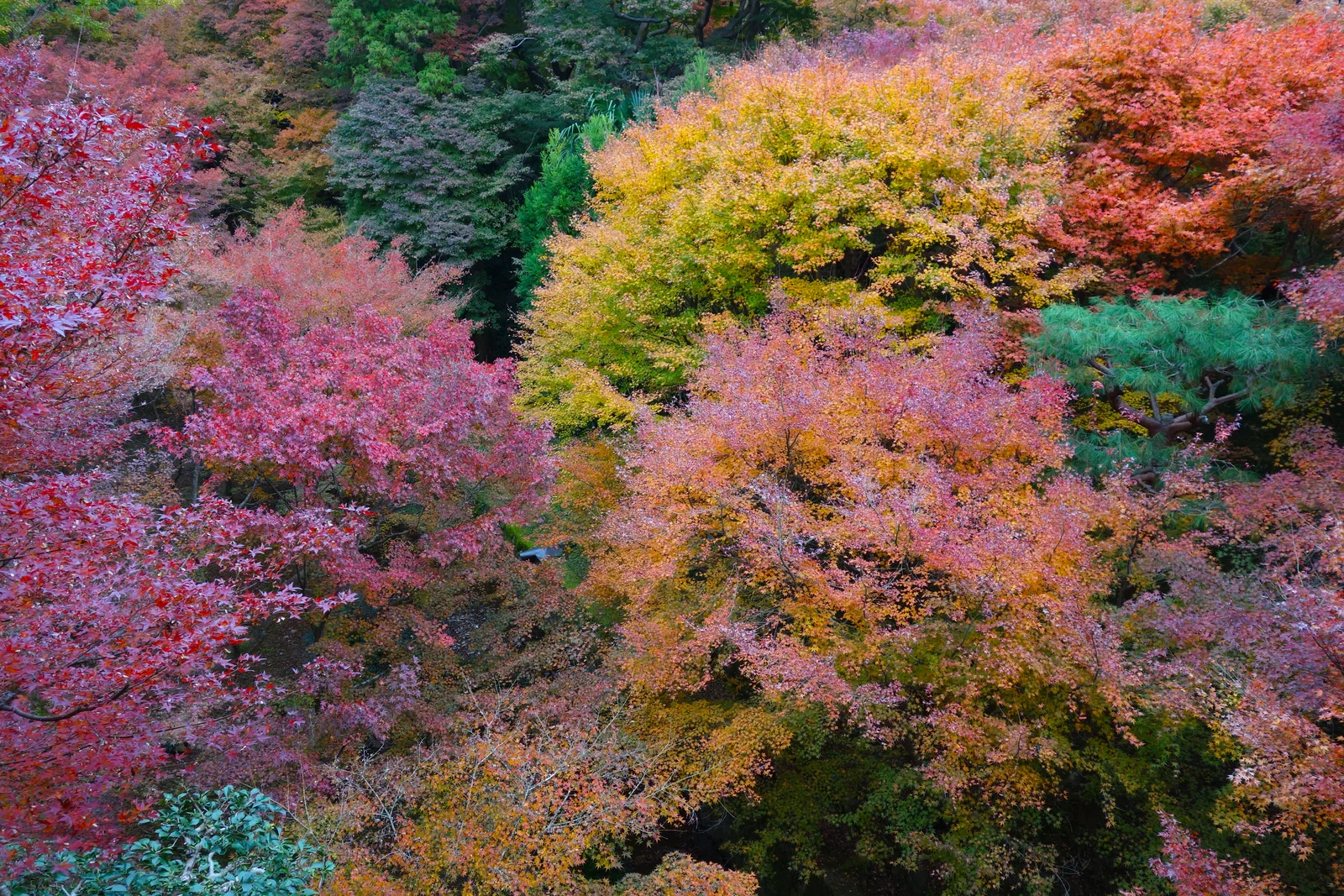
Tofukuji is a strong choice when you want one Kyoto temple where autumn foliage is the main event. Its covered Tsutenkyo Bridge crosses a ravine of maples, creating a layered landscape of timber, red leaves and golden treetops. The separate Hojo garden offers a quieter visual counterpoint, with moss, stones and carefully composed spaces. Decide whether you want one paid area or both before you arrive, and the visit becomes much easier to organize.
Two details matter for 2026. Autumn admission to Tsutenkyo and Kaisando runs from November 14 to December 6 and costs ¥1,000 per adult. The adult fee for the Honbo, or Hojo, garden rises to ¥600 on November 1. Start with Tsutenkyo if the maple-filled ravine is your priority; add the garden if its design genuinely interests you. Travel by train during foliage season: the temple’s parking closes from October 25 to December 10.

When to visit Tofukuji for autumn leaves in 2026
Mid-to-late November is a useful starting window when planning a Kyoto foliage trip, but it is not a guaranteed peak at every temple. Tofukuji’s autumn admission period describes its operating arrangements, not a promise of red leaves on every day. An earlier visit may bring a mix of green, yellow and red; later in the season, fallen leaves can become part of the scene. Trees within the ravine do not all change at the same pace.
If foliage is the focus of your holiday, keep two Kyoto days interchangeable. Use the better combination of weather and current leaf conditions for Tofukuji, and retain a city walk or indoor visit for the other day. If your date is fixed, the bridge architecture, gardens and temple buildings still give the visit structure. Trying to compensate for imperfect color by racing around more temples rarely makes the day better.
Check the official Kyoto foliage updates close to your visit, then use our Kyoto autumn route guide to choose a nearby second area. A city forecast based on a representative observation tree should not be treated as an exact peak date for the whole Tsutenkyo ravine.
2026 admission: Tsutenkyo and the Hojo garden are separate
| Paid area | Adult fee in 2026 | Elementary/junior-high students | Best for |
|---|---|---|---|
| Tsutenkyo and Kaisando, Nov 14–Dec 6 | ¥1,000 | ¥500 | Maple-filled ravine |
| Honbo/Hojo garden, from Nov 1 | ¥600 | ¥300 | Four-sided garden design |
| Both areas, Nov 14–Dec 6 | ¥1,600 total | ¥800 total | No combined ticket in this period |
There is no combined ticket during November 14–December 6, 2026. Visiting both paid areas therefore totals ¥1,600 for an adult or ¥800 for an elementary or junior-high school student. The Tsutenkyo–Kaisando area is the natural first choice for the famous valley view. The Hojo garden is an additional visit for people who enjoy garden composition, rather than an obligatory upgrade for everyone.
During that autumn period, Tsutenkyo opens at 8:30 and the Hojo garden at 9:00. Reception ends at 16:00 and the gates close at 16:30. November 1–13 starts at 9:00, while reception ends earlier, at 15:30, from December 7. Do not aim to arrive at the last-entry time: buying a ticket, joining a queue and walking through the grounds all take time. If you arrive late, visit one area properly rather than hurrying between two entrances.
Re-entry is not allowed. Eat, organize luggage and deal with other practical needs before entering. Eligible disability-certificate holders and one accompanying person can enter free; international visitors should ask which documents are accepted and what route is suitable. The child rate is defined by elementary and junior-high school status, so avoid assuming it is simply a universal age cutoff.
Getting there from Kyoto Station, Gion or Osaka
| Starting point | Suggested route | Walk after train | Useful for |
|---|---|---|---|
| Kyoto Station | JR Nara Line to Tofukuji | About 10 minutes | Kyoto Station hotels |
| Gion/Shijo or Keihan network | Keihan to Tofukuji | About 10 minutes | Eastern Kyoto or Keihan connections |
| Keihan Toba-kaido Station | Walk to the temple | About 10 minutes | An alternative matching your route |
From the Kyoto Station area, take a JR Nara Line train that stops at Tofukuji, then walk about ten minutes. The train ride itself takes roughly three minutes, but that excludes waiting, leaving the station and walking through autumn crowds. Allow time for the whole journey, not just the short train ride. The approach passes residential streets and narrow sections; step aside somewhere safe when checking your phone.
From Gion-Shijo or elsewhere on the Keihan network, use Keihan to Tofukuji Station. Toba-kaido is another possible Keihan station, also approximately ten minutes away on foot. Choose according to your accommodation and onward plans rather than taking a detour in search of a supposedly secret entrance. From Osaka, start with the railway that fits your hotel location, then connect to Tofukuji. A rail pass is worthwhile only if the rest of your itinerary supports it.
City buses also serve the surrounding area, but trains are usually easier to plan around when roads are busy. Leave large suitcases at your accommodation or an appropriate storage facility. A taxi can reduce some walking but does not remove autumn traffic controls or guarantee a drop-off at the exact entrance you want.
How to enjoy the bridge and gardens without rushing
Look at the landscape, not just one famous camera position
The appeal of Tofukuji is the relationship between the bridge, the ravine and the canopy. Orient yourself at the entrance, follow the day’s route through Tsutenkyo and Kaisando, and stop only where space and staff instructions allow. Photography may be restricted on Tsutenkyo and Gaun bridges during busy periods. A ticket does not guarantee access to one specific photo angle.
Keep moving on the crossings, then take photographs at suitable stopping points. Close views reveal the changing colors within individual branches; wider views show the wooden bridge cutting through the maples. If a popular angle is unavailable, do not reverse against the flow or wait in the center of the walkway. A smooth visit and consideration for other visitors are more valuable than reproducing a single social-media image.
Give the Hojo garden a different pace
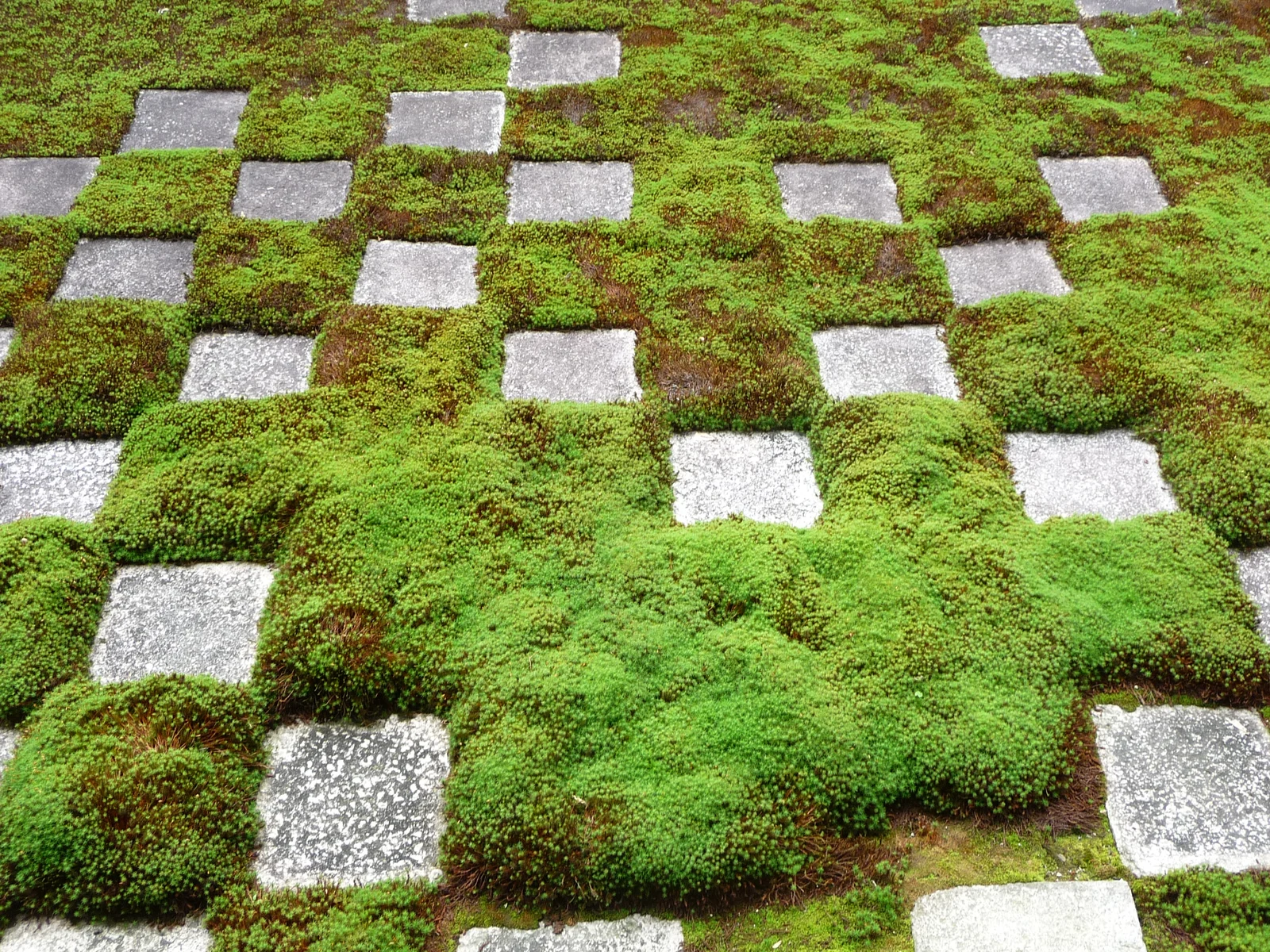
Designed by Mirei Shigemori, the Honbo garden has compositions on all four sides of the Hojo. The northern garden’s alternating stone and moss squares are particularly recognizable, but the shifts between gravel, rocks, moss and the surrounding architecture reward a slower look. You do not need red leaves in every photograph for this part of the visit to work.
Allow roughly two to three hours for both paid areas as a planning allowance, plus the station walk and a meal. This is a suggested budget, not a guaranteed queue time. If someone in your group dislikes standing or tires easily, choose one paid area and protect time for lunch and rest. Adding another queue-heavy temple immediately afterward is rarely necessary.
Tofukuji grounds map: find each paid entrance first
Locate the Tsutenkyo and Hojo ticket entrances before choosing your order, then follow the route on the day. The two paid areas are not interchangeable, and a line on this general grounds map does not guarantee step-free access. Ask about a suitable stroller or wheelchair route. Select the map for its full-size version.

A practical Tofukuji half-day itinerary
A straightforward first visit starts at Tofukuji Station in the morning, continues to Tsutenkyo, adds the Hojo garden if energy and queues permit, and finishes with lunch outside the temple. An early start gives you more room to adapt; it does not guarantee an empty site. Keep any lunch reservation or onward booking comfortably separated from your estimated exit time, especially on weekends and holidays.
For the afternoon, choose one direction. Fushimi Inari provides a different kind of scenery, while returning along Keihan toward Gion and Shijo works well for food and city wandering. If you already have an evening temple visit planned, use the middle of the day for a rest and transfers. Combining Tofukuji, Arashiyama, northern Kyoto and a night opening in one day can turn the best daylight into time spent in transit.
Photographers should give Tofukuji a clear place in the day rather than squeezing it between appointments. Families can make the bridge the main goal and leave the garden optional. On a rainy day, the covered structures and wet foliage can still be atmospheric, but shorten the route if footing or comfort becomes a problem.
Photography rules, accessibility and evening visits
Tripods are prohibited, and commercial photography requires permission. During crowded autumn periods, staff may also stop photography on Tsutenkyo or Gaun Bridge. These instructions apply to phones as well as cameras. Carrying less equipment makes it easier to move without blocking others; avoid setting up a long photo session in a busy passage.
Eating and drinking in the grounds are not allowed, and the temple restricts bringing pets. Wear grippy shoes and layers for time spent waiting or sitting near an open veranda. If you use a wheelchair or stroller, ask about the actual route, steps and assistance before visiting. The entire complex should not be assumed to be step-free. Open the official temple map to locate the paid areas and entrances, then confirm your route with the temple.
Ordinary daytime admission and separately organized early-morning or evening programs are different arrangements. If your goal is an after-dark visit, check the exact event date, booking method and ticket conditions. Do not assume a daytime ticket lets you stay for illumination. This guide’s opening times and budget describe Tofukuji’s standard daytime autumn visit in 2026.
Tofukuji autumn FAQs
When should I visit in 2026?
Use mid-to-late November as a planning window and check actual leaf conditions near your date. The November 14–December 6 autumn admission period is not a guarantee of peak color throughout.
How much is Tsutenkyo admission?
From November 14 to December 6, 2026, Tsutenkyo and Kaisando cost ¥1,000 per adult and ¥500 for elementary and junior-high school students.
Is the Hojo garden more expensive in 2026?
The adult fee changes from ¥500 to ¥600 on November 1, 2026. Elementary and junior-high school students pay ¥300.
Is there a combined ticket?
Not during November 14–December 6, 2026. Both areas total ¥1,600 for adults or ¥800 for elementary and junior-high school students.
What time does the autumn visit start?
During November 14–December 6, Tsutenkyo opens at 8:30 and the Hojo garden at 9:00. Reception ends at 16:00 and gates close at 16:30. Other dates differ.
How do I get there from Kyoto Station?
Take a JR Nara Line train stopping at Tofukuji, then walk about ten minutes. Add waiting and crowd time to the short train journey.
Can I park at the temple?
The temple’s parking is closed from October 25 to December 10. Public transport is the recommended autumn choice, and local traffic controls may also apply.
Can I photograph the bridge?
Photography on Tsutenkyo and Gaun bridges may be restricted during busy autumn periods. Follow staff instructions. Tripods are prohibited and commercial shoots require permission.
How long should I allow?
Budget about two to three hours for both paid areas, plus the station walk and a meal. This is a suggested allowance; queues can extend the visit.
Is it suitable for a stroller or wheelchair?
Ask the temple about the day’s usable route, steps and assistance. Do not assume every bridge, garden and approach can be linked on a single step-free route.
Does daytime admission include an evening visit?
Do not assume it does. Separately organized evening or early-morning events have their own dates, booking arrangements and ticket conditions.
Can I leave and re-enter?
No. Re-entry is not permitted, so arrange meals, luggage and other needs before entering.