
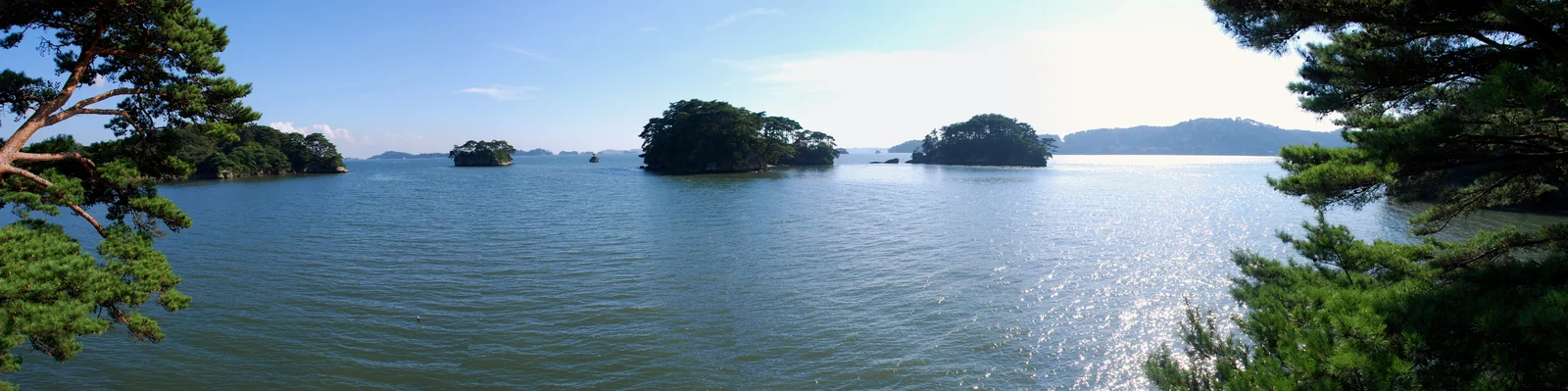
For a first seven-day Tohoku trip, use three bases: Sendai, Aomori and Akita. Spend two nights in each, visit Matsushima from Sendai, choose Hirosaki or a slower Aomori day, then make Kakunodate an optional day trip from Akita. This route combines cities, coast and historic streets without changing hotels every night.
Tohoku is a large region. A week is enough for a good introduction, not for every famous gorge, mountain, festival and onsen. Choose seasonal additions by replacing a day in the core route or extending the trip. Do not simply attach Oirase, Ginzan Onsen and Zao to an already full itinerary.

Tohoku itinerary at a glance
| Trip length | Useful scope | Recommendation |
|---|---|---|
| 3–4 days | Sendai and Matsushima | A manageable short break from Tokyo |
| 5 days | Sendai, Aomori and Akita highlights | Possible, but with frequent long-distance travel |
| 7 days | Three city bases, Matsushima, Hirosaki and optional Kakunodate | The best fit for this first-time route |
| 10 days or more | Add a nature area or onsen overnight | Better for Oirase, Lake Towada or a winter hot-spring trip |
Rail works well for the core plan. A car becomes more useful for scattered rural stops, but winter driving is a separate skill and responsibility. Travellers with children or anyone who dislikes frequent transfers can shorten the route to two bases and spend the saved time locally.
A rail pass and the Sendai-departure day tour are different products. Compare pass dates and covered journeys; use the tour to replace a day, checking ropeway costs and weather-cancellation terms.
Where is Tohoku, and which areas should you choose?
Tohoku is northeastern Honshu: Aomori, Iwate, Miyagi, Akita, Yamagata and Fukushima. This itinerary concentrates on Miyagi, Aomori and Akita. The other prefectures are worthwhile alternatives, not missing boxes that must be ticked.
| Area | Useful places to know | Trip focus |
|---|---|---|
| Aomori | Aomori City, Hirosaki, Oirase, Lake Towada, Hakkoda | Nebuta culture, apples, castle-town walks and nature |
| Miyagi | Sendai, Matsushima, Akiu, Naruko | Easy city base, bay scenery and hot springs |
| Akita | Akita City, Kakunodate, Lake Tazawa, Nyuto Onsen, Oga | Kanto culture, historic streets and rural stays |
| Iwate | Morioka, Hiraizumi, Hanamaki | Food, history and onsen |
| Yamagata | Yamagata, Yamadera, Zao, Ginzan Onsen | Mountain scenery, temples and hot springs |
| Fukushima | Aizuwakamatsu, Ouchi-juku, Lake Inawashiro | Castle-town history, traditional streets and lakes |
Choose Tohoku for seasonal landscapes, regional food and smaller-city travel. It is less suitable if most of your trip needs to revolve around large shopping centres and late-night entertainment. Summer festivals are a major exception to the quieter image: expect crowded trains, busy streets and strong hotel demand.
The recommended seven-day Tohoku itinerary
| Day | Route | Sleep |
|---|---|---|
| 1 | Tokyo → Sendai; a focused afternoon in the city | Sendai |
| 2 | Matsushima day trip | Sendai |
| 3 | Sendai → Shin-Aomori → Aomori; waterfront and city sights | Aomori |
| 4 | Hirosaki or a slower day in Aomori | Aomori |
| 5 | Aomori → Akita; a light city afternoon | Akita |
| 6 | Kakunodate day trip or Akita city | Akita |
| 7 | Akita → Tokyo or the next destination | Onward destination |
Day 1: Tokyo to Sendai
Take the Tohoku Shinkansen to Sendai, leave your luggage and choose one main historical visit, such as Zuihoden or the Sendai Castle ruins area. Keep the central shopping streets and a gyutan dinner for later. The arrival afternoon is not the time to attempt every city attraction.
Staying near Sendai Station makes the next day’s trip and the onward train simpler. Ichibancho and the central shopping district offer more of an evening city atmosphere, with a longer walk or local ride to your intercity train.
Day 2: Matsushima
Take the JR Senseki Line towards Matsushima-Kaigan, the useful station for the waterfront. It is distinct from Matsushima Station on the Tohoku Line. Allow a relaxed half-day to full day for the bay, Zuiganji and a sightseeing cruise if conditions are suitable.
The cruise operator’s access map shows the walk from Matsushima-Kaigan to the boarding area. Check the sailing conditions, route and final departure before buying a ticket. Keep dinner and the second night in Sendai so you do not have to move luggage for this excursion.
Day 3: Sendai to Aomori
Travel by Tohoku Shinkansen to Shin-Aomori, then connect to a train for Aomori Station. Shin-Aomori is the bullet-train gateway; the waterfront sights are in Aomori City, not outside its Shinkansen exit.
After checking in, concentrate on WA RASSE, A-FACTORY and the waterfront. ASPAM or the city’s food shopping can fill remaining time, but check individual opening days. This is a transfer day, so save any distant countryside excursion for another morning.
Day 4: Hirosaki or Aomori at a slower pace
Hirosaki makes a worthwhile day trip for its park, castle setting and historic streets. It is especially attractive during cherry-blossom season, when crowds and hotel demand increase. Allow local transport time between the station and the park; arriving by train does not put you at the castle entrance.
Alternatively, stay in Aomori for the fish market, museums and a less hurried waterfront day. This is a useful choice for families, poor weather or anyone who wants a break from train travel.
Day 5: Aomori to Akita
Keep roughly half the day for the transfer and settling in. Compare the direct limited-express options on the Ou Line against the available connections using JR East’s October 2026 Aomori departure timetable as a starting point, then recheck the timetable for your travel date. The scenic Resort Shirakami is a different choice: its journey and operating calendar should shape the day if you deliberately book it.
In Akita, choose a gentle walk around Senshu Park or a museum visit rather than another long excursion. A relaxed dinner gives you time to try the region’s food without rushing between cities.
Day 6: Kakunodate or Akita
Kakunodate’s samurai district is the main optional excursion. Use the Akita Shinkansen to reach Kakunodate, leaving time to walk between the station and the historic area. Reserve the relevant service and check which residences or museums you want to enter.
If you prefer a quieter final day, stay in Akita for the market, park and art. Lake Tazawa and Nyuto Onsen require additional local transport; do not assume they can both be added after a full Kakunodate visit without checking the last return connections.
Day 7: return to Tokyo
The Akita Shinkansen makes the return straightforward, but it is a substantial travel day. Avoid an ambitious morning excursion before an essential train or international flight. If you are flying home from Tokyo, a final night there can provide a useful buffer.
A compact five-day alternative
The shorter version retains the same cities but removes the two deeper excursion days:
- Tokyo to Sendai, with a city afternoon.
- Matsushima, returning to Sendai.
- Sendai to Aomori, then WA RASSE and the waterfront.
- Aomori food and shopping in the morning, then transfer to Akita.
- A short Akita visit, then return to Tokyo.
This is a transport-heavy introduction. It is best for travellers who specifically want all three cities, rather than those seeking a slow holiday. If that sounds rushed, remove one city instead of shortening every stop. Oirase and an onsen overnight do not belong in this compact version.
A seven-day summer festival route
For the three major early-August festivals, reverse the broad direction: Aomori first, Akita next, Sendai last. The normal festival windows are Aomori Nebuta, August 2–7, Akita Kanto, August 3–6, and Sendai Tanabata, August 6–8. Match the actual event days before reserving hotels.
| Day | Festival-focused plan |
|---|---|
| 1 | Tokyo to Aomori; settle in |
| 2 | WA RASSE and A-FACTORY, then an evening Nebuta procession |
| 3 | Aomori morning, then travel to Akita |
| 4 | Akita city and the evening Kanto festival |
| 5 | Travel to Sendai and see Tanabata decorations |
| 6 | Matsushima, returning to Sendai |
| 7 | Sendai morning and onward travel |
A trip beginning around August 2 would align these principal festival visits with August 3, 5 and 6. This is a planning example, not a booking or confirmation of a future year’s programme. Nebuta’s final day has a different schedule from the usual evening street processions, so check the programme rather than treating all six dates as identical.
Secure the hotel nights first, then the long-distance trains and any paid viewing seats. Leave transfer afternoons light. Trying to reach a festival straight from a remote nature excursion creates unnecessary risk, and returning to a distant hotel after the event can be harder than the outward journey suggests.
JR EAST PASS: the important seven-day calculation
The current unified JR EAST PASS covers the relevant JR East network and selected partner lines. Adult prices are ¥35,000 for five consecutive days and ¥50,000 for ten consecutive days; child prices are ¥17,500 and ¥25,000. It is no longer useful to budget from the old separately branded Tohoku-area pass.
The seven-day route above has major journeys on days 1, 3, 5 and 7. A five-day pass cannot cover both day 1 and day 7. Compare these three options before buying:
- Individual tickets for the entire journey.
- A five-day pass covering the most expensive consecutive section, plus separate tickets outside it.
- A ten-day pass covering the full week and any other eligible journeys within its validity.
For example, a pass running from day 3 through day 7 leaves Tokyo–Sendai and the Matsushima day outside it. A pass starting on day 1 expires before the final Akita–Tokyo journey. Neither is automatically the cheaper option. Compare your actual train fares and dates rather than rearranging good sightseeing days solely to use a pass.
You can also compare JR EAST PASS options on Klook. Check the product duration, eligibility, exchange or collection instructions and refund conditions for the selected package. Do not assume that the pass covers every city bus, ropeway, cruise or attraction.
Rail routes, reservations and maps
The JR East Tohoku Shinkansen route map and Akita Shinkansen route map help explain the geography. The northbound route reaches Shin-Aomori; Akita services branch towards Kakunodate and Akita via Morioka. Straight-line distance on a map is a poor substitute for the actual timetable.
Reserve the long-distance services, especially Hayabusa and Komachi, early enough to keep the itinerary workable. A rail pass does not create availability on a full train. On the day, leave time to find platforms, collect tickets and move between trains with luggage.
For rural journeys, work backwards from the last return bus. A missed city train may be a small inconvenience; a missed mountain connection can remove the whole excursion or force a costly alternative.
Seasonal changes: what to swap, not stack
Spring: Hirosaki and Kakunodate
Keep days 4 and 6 focused on the historic towns if blossoms are your priority. Flowering varies by location and year, so book a sensible geographic route and use current bloom reports to adjust smaller choices. Do not assume all Tohoku cherry trees peak together.
Summer: festivals or greener landscapes
Choose whether the trip is primarily about festivals or nature. The early-August festival route needs specific nights in the correct cities. A non-festival trip allows more flexibility for Oirase and a slower pace, without promising cool conditions everywhere.
Autumn: Oirase, Lake Towada and mountain colours
The seasonal route change matters for late-autumn trips: from November 12, 2026, the Aomori-side winter route ends at Sukayu and does not continue to Oirase or Lake Towada. Selected departures also require reservations. A rail pass does not remove that requirement.
Replace the Hirosaki day with a full Oirase excursion only after verifying the seasonal buses, or add an overnight near the lake. JR Bus Tohoku’s seasonal arrangements differ; boarding the Oirase service at Hachinohe in autumn 2026 requires advance reservations. Check the operator’s current Oirase and Lake Towada information rather than assuming summer services continue into winter.
Hakkoda, Naruko and Zao have different access routes and foliage timing. Choose the location that matches your dates and base. Our Japan autumn foliage guide is useful for the broader timing decision.
Winter: consider a different regional emphasis
Zao, Ginzan Onsen and Nyuto Onsen are appealing winter ideas, but they are not effortless additions to this three-city week. A Sendai–Yamagata itinerary with a booked onsen stay may fit a snow-focused holiday better. Ropeway operation, snow conditions, local access rules and the final bus need separate checks. Never treat a green-season nature itinerary as an all-season transport plan.
If a winter Sendai base suits your plans better, compare the Sendai-departure Zao and Ginzan Onsen day tour as a replacement day. Check the selected route, whether ropeway tickets cost extra and the weather-cancellation terms. A booking does not guarantee rime ice or ropeway operation.
Autumn: choose elevation before adding destinations
High wetland vegetation, mountain slopes, sheltered streams and lower gorges do not change colour together. Hachimantai's Gozaisho wetland is typically associated with late September to early October; the Matsukawa area is generally later, around mid-October. Oirase and Lake Towada become stronger late-October planning candidates, while Naruko Gorge is commonly associated with late October to early November. These are historical patterns, not a 2026 peak forecast or live report.
| Travel priority | Area to compare | Planning consequence |
|---|---|---|
| Earlier autumn and high terrain | Hachimantai or Hakkoda | Check different elevations and mountain conditions |
| Gorge walking and lake scenery | Oirase and Lake Towada | Keep several days in northern Tohoku |
| Later autumn with fewer hotel changes | Sendai and Naruko | Build around the seasonal bus dates |
| Flexible city-and-nature trip | Aomori or Morioka with spare time | Keep a city day interchangeable with the outdoor day |
Do not assume the Hachimantai summit and Oirase will both be at their best on the same trip. If leaf colour is the priority, choose the area matching the week you travel. If the broader landscape matters more, enjoy a mix of woodland, water, food and hot springs without chasing a single photograph.
Four 2026 transport limits to know before booking hotels
The Aomori–Lake Towada Mizuumi through service runs until November 11, 2026. From November 12, the Aomori-side Hakkoda service goes only as far as Sukayu; it is not a replacement through bus to Oirase or the lake. From Hachinohe, outbound Oirase 21 runs until November 17 and Oirase 23 until November 16; return services 22 and 24 run until November 17. Check each direction separately in the autumn bus timetable.
Boarding Oirase 21 or 23 at Hachinohe Station West Exit requires a reservation, including for eligible rail-pass holders. The ¥300 seat-reservation charge is separate from the fare. The announced Aomori and return services do not accept reservations, and a full bus can mean you cannot board. Early Aomori departures do not all stop at Shin-Aomori: decide the actual boarding stop before choosing your hotel.
Hachimantai's 2026 nature sightseeing bus ends on October 25. A separate local mountain service ends on October 18, so do not apply the later date to every route. The 2026 bus map and timetable should be checked alongside weather and road notices. Two nights in Morioka allow more flexibility than attempting a long round trip from Sendai before moving on again.
Naruko's Koyogo foliage bus operates October 26–November 8, 2026, immediately after the Hachimantai nature bus season ends. Rail service between Naruko-Onsen and Shinjo remains suspended with replacement-bus arrangements; the rail line on a map does not establish a through train. Do not promise a passing-train photograph at the gorge. Consult the Naruko tourism association's 2026 guide for the appropriate viewpoint stop and local access.
Five autumn days in Aomori, Oirase and Lake Towada
| Day | Main activity | Overnight plan |
|---|---|---|
| 1 | Arrive in Aomori; harbour and city sights | Aomori |
| 2 | Hirosaki town walk or Aomori cultural sights | Aomori again |
| 3 | Bus to Oirase; a selected walking section | Gorge area or Yasumiya, with access confirmed |
| 4 | Lake shore; optional cruise if operating; return toward Aomori or Hachinohe | Choose the city matching your confirmed bus |
| 5 | Breakfast, shopping and departure | No distant mountain detour before a flight |
A full gorge walk is not essential. Choose the section around your arrival time, fitness and return stop, allowing for photography and breaks. Staying near the lake makes it easier to separate walking from lakeside activities, but confirm dinner deadlines and hotel transfers before booking. If local accommodation is unavailable, use an Aomori-based day trip and reduce the lake programme instead of relying on an unconfirmed taxi.
The cruise is an optional activity with its own operating dates, piers and weather conditions. A strong-wind cancellation should leave you with a workable lakeshore day. Do not treat the cruise as a guaranteed connection between buses unless the actual departure date and timetable support that plan.
Five autumn days in Sendai, Matsushima and Naruko
Choose this southern alternative if you want less long-distance travel or are travelling in late October and early November. Day 1 is Sendai, day 2 Matsushima, day 3 the journey to Naruko Onsen and a relaxed afternoon, day 4 Naruko Gorge followed by a return to Sendai, and day 5 departure. It combines a city, coast and hot-spring landscape without crossing the whole region.
You can instead stay in Sendai throughout and make Naruko a full-day outing, but check the connections through Furukawa and Naruko-Onsen and the seasonal gorge bus. Outside the Koyogo dates, establish alternative transport before committing to the day. Different gorge paths have different entrances and opening arrangements; travellers avoiding long stairways should focus on the Rest House-side viewpoint rather than assume every path is equally accessible.
Seven autumn days with Aomori and Morioka bases
Use days 1 and 2 for Aomori and Hirosaki; day 3 for a selected Oirase walk and a local overnight stay; day 4 for Lake Towada, a confirmed bus to Hachinohe and onward rail travel to Morioka. Leave generous transfer time between bus and train. Day 5 is Hachimantai only if the bus calendar, road status and weather allow it; day 6 is Morioka or an independently checked Hiraizumi outing; day 7 is departure.
Keep days 5 and 6 interchangeable. After October 25, replace the nature-bus outing with a city or lower-elevation plan with confirmed access. Do not add Naruko on the Hachimantai day, and do not add Akita simply to increase the number of prefectures visited. The extra two days are most useful as breathing room, not as permission to double the distance.
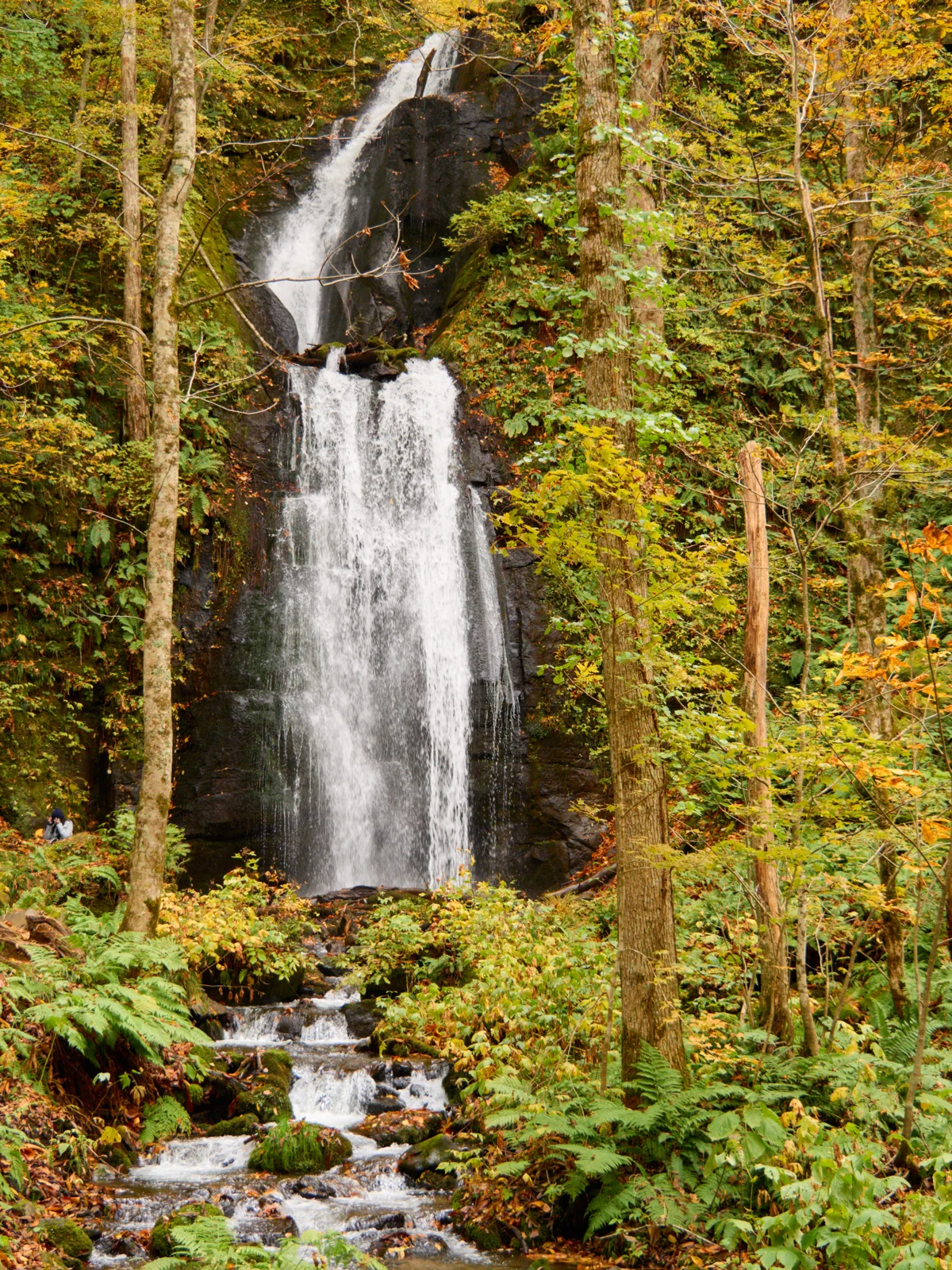
Orient yourself around Hachimantai before choosing a base
The diagram separates the summit rest house, Aspite Line, Jukai Line, Matsukawa Onsen and Matsuo-Hachimantai Visitor Center. It covers this mountain area, not all Tohoku or current road openings. Its driving-time markings are not a bus timetable or a guarantee of autumn access.

Where to stay along the route
For this seven-day itinerary, book two nights in Sendai, two in Aomori and two in Akita. Stay near the station when early departures matter. Downtown hotels can work well for evenings, but check the luggage walk before choosing.
Sendai
Hotel Metropolitan Sendai is beside the station’s west side and suits frequent rail travel. Mitsui Garden Hotel Sendai is near Hirose-dori subway station, making it a better fit for travellers who value the central shopping district and do not require a station-door location.
Aomori
Hotel JAL City Aomori and Daiwa Roynet Hotel Aomori are city-base options for the waterfront and restaurants. Richmond Hotel Aomori is another downtown choice; compare its station walk carefully if you have large bags. These are Aomori City stays, distinct from choosing a hotel by Shin-Aomori for an early Shinkansen.
Akita
ANA Crowne Plaza Akita and Richmond Hotel Akita Ekimae suit a station-oriented stay. Dormy Inn Akita is worth comparing if a hotel bathing facility matters to you. Check room size, bed layout and current bath conditions rather than choosing by the chain name alone.
Festival dates can change the usual price hierarchy completely. Secure a practical room before spending too much time choosing between small differences in hotel facilities.
Compare the eight hotel options
| Hotel Metropolitan Sendai | |
| Mitsui Garden Hotel Sendai | |
| Hotel JAL City Aomori | |
| Daiwa Roynet Hotel Aomori | |
| Richmond Hotel Aomori | |
| ANA Crowne Plaza Akita | |
| Dormy Inn Akita | |
| Richmond Hotel Akita Ekimae |
Regional food to build into each day
In Sendai, try gyutan, zunda sweets, sasa-kamaboko fish cakes or seafood. In Aomori, look for scallops, apple desserts, a build-your-own seafood bowl or miso-curry-milk ramen. Akita is known for Inaniwa udon, Hinai chicken, kiritanpo hotpot and sake.
If you extend the route, Morioka adds its noodle traditions, Yamagata offers soba and regional beef, and Fukushima includes Kitakata ramen and Aizu sauce katsudon. Pick meals near the day’s route and check closing days, particularly for markets and smaller-town restaurants.
Tohoku itinerary FAQs
Is seven days enough for a first visit?
Yes, for three city bases and selected day trips. Ten days is better if you want a substantial nature excursion and an onsen overnight as well.
Can I travel without a car?
Yes for the core Sendai–Aomori–Akita route. Remote landscapes and onsen require more timetable planning and may be easier with a car or organised transport.
Will the five-day JR EAST PASS cover a seven-day holiday?
It covers only five consecutive days. You must buy separate tickets for journeys outside that window or compare the ten-day version.
Should I stay in Aomori or Shin-Aomori?
Aomori is more practical for the waterfront, city food and evening sightseeing. Shin-Aomori is the Shinkansen station, so consider it only when that specific transport convenience outweighs the city location.
Can I add Oirase and Ginzan Onsen to this week?
Only by replacing substantial parts of the plan or accepting a much faster pace. Adding days is the better choice when both are important.
Is the route suitable for children?
Yes with a comfortable pace, but the intercity legs are long. Two bases, station-area hotels and fewer rural excursions can make it easier.
Do I need a hotel in Matsushima?
Not for this route. A day trip from Sendai avoids moving luggage and keeps the onward Shinkansen journey simple. Stay overnight only if a bay-area hotel is itself part of the experience.
Can I see all three summer festivals in one week?
Yes if the dates align. Travel Aomori–Akita–Sendai and check each event programme before booking. An arbitrary seven-day period in August will not work.
Should I choose Hirosaki or Oirase?
Choose Hirosaki for a historic town, park and simpler rail-based day. Choose Oirase for nature when you have a full day, confirmed seasonal transport and enough flexibility for weather.
Can I take the scenic train from Aomori to Akita?
Yes when the Resort Shirakami operating calendar and seat availability match your date. Treat it as the day’s main activity rather than assuming it is interchangeable with the faster transfer.
Final recommendation
Start with six hotel nights across Sendai, Aomori and Akita, then secure the long-distance trains. Keep Matsushima, choose Hirosaki or a slower Aomori day, and leave Kakunodate optional. Build the season into those choices and calculate the rail pass against the full seven-day calendar. This gives you a coherent Tohoku journey with room to enjoy each place.
Lake Towada foliage and cruises · Hachimantai foliage and roads · Japan autumn timing