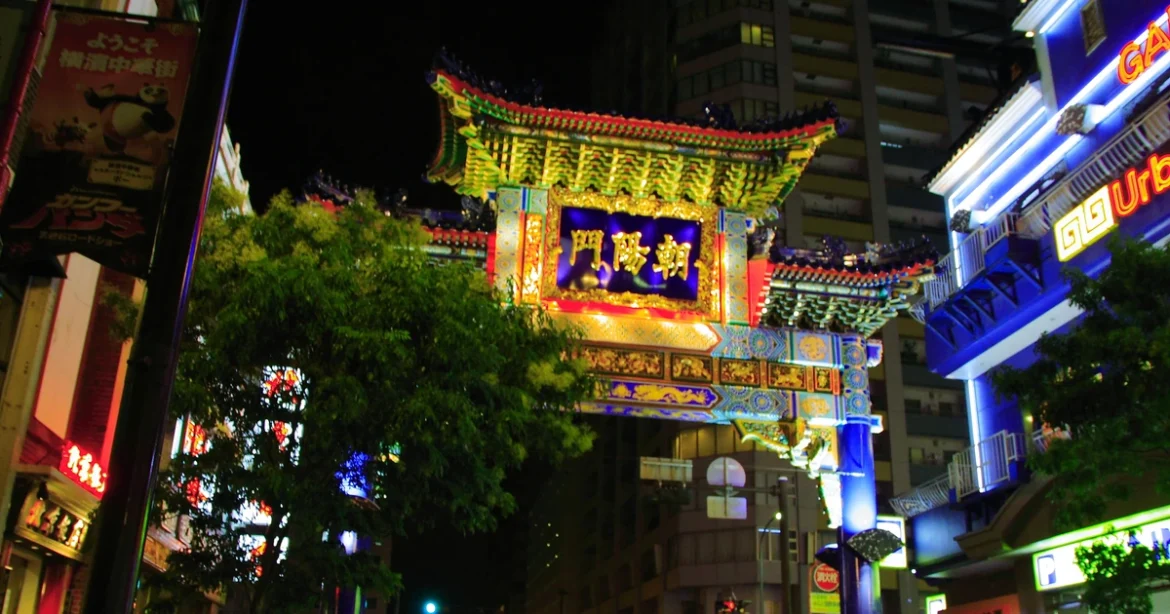
Yokohama Chinatown’s Spring Festival is worth a half day or a full day if you want lion dances, Chinese food and a waterfront walk. For a first visit, choose the kind of performance that interests you and build meals and transport around the same neighborhood rather than trying to catch everything.
The 2027 festival period, lion-dance, parade and stage times have not yet been announced. Sections labeled “2026 reference” describe the previous edition, not the 2027 schedule or a ticket currently on sale.
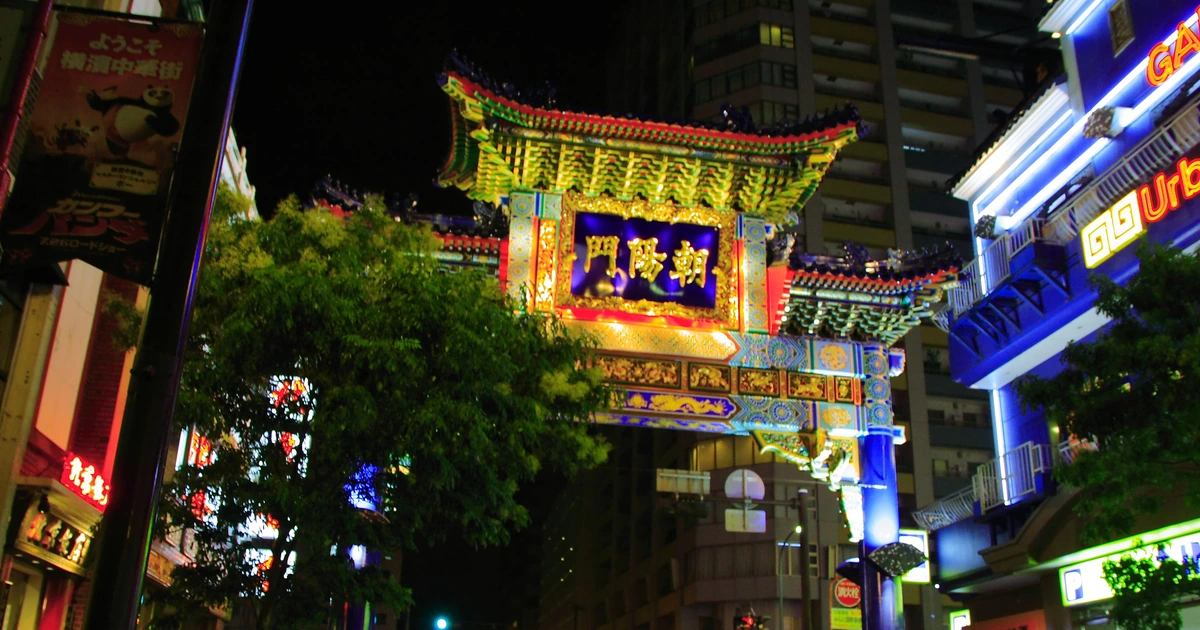

2026 reference: how the previous festival was organized
Every date below comes from the official 2026 programme. Use it to understand the format, not to book a 2027 performance.
| 2026 activity | 2026 date and time | 2026 venue or arrangement |
|---|---|---|
| Overall event period | February 1–March 8, 2026 | Individual performances had separate dates |
| Lunar New Year countdown | Around midnight February 16–17, 2026 | Yamashitacho Park |
| Lion dance, or cai qing | February 17, 2026, around 16:00 | Throughout Chinatown |
| Celebration parade | February 21, 2026, from 16:30 | Started and ended at Yamashitacho Park |
| Stage entertainment | February 22–23, 2026; 13:00, 14:30 and 16:00 | Three one-hour sessions each day at Yamashitacho Park |
2026 route reference: the parade loop included Kanteibyo-dori, Fujian Road, Seimon-dori, Chinatown Main Street and Minamimon Silk Road. This explains why the event spread through several streets; it is not a 2027 traffic-control or viewing-position plan.
2026 seating reference: stage entertainment used paid front seats and free rear seats, with the audience changed between sessions. This was not a Chinatown-wide entrance charge. The 2027 arrangement, price and reservation process require the new notice.
Three different calendars
Lunar New Year celebrations, winter lantern displays and December 31 celebrations have separate schedules. Lunar New Year’s Day is February 6 in 2027, but that does not establish every Yokohama performance date.
Japan’s national New Year holiday is January 1. Lunar New Year does not create a nationwide Japanese holiday break, although individual restaurants and attractions still have their own closing days.
The official 2026 neighborhood guide lists the “2027 Spring Festival Lanterns” lighting ceremony for Sunday, November 1, 2026, on Yokohama Chinatown Main Street, with Gregorian New Year celebrations listed separately on December 31. The event-brand year, autumn lighting and Lunar New Year festivities therefore should not be treated as one evening. That guide is not a full 2027 performance timetable.
Write down the exact event you want before choosing dates. “Chinatown New Year” is too ambiguous for a booking decision.
Lion dances, parades and stage performances
A lion dance may move through streets and shops; a parade requires a route and traffic plan; a stage performance needs a specific venue and session. Once the 2027 programme appears, check the date, start time, location and weather arrangements for each.
Do not assume performances run all day on any weekend, or that a restaurant table guarantees a procession view. If the show is your priority, make the meal fit around it rather than the reverse.
Likewise, a paid tour using a festival name or old photograph does not prove inclusion of a 2027 performance. Verify the actual date, meeting point and inclusions.
Yamashitacho Park is not Yamashita Park
Yamashitacho Park is inside the Chinatown area; Yamashita Park is the separate waterfront park. Previous festival programmes used Yamashitacho Park. That establishes useful geography, not a confirmed 2027 schedule there.
The waterfront park can work before or after a Chinatown visit. If an event notice specifies Yamashitacho Park, enter the full name in your map rather than heading toward the waterfront.
Kanteibyo and the Mazu temple are also separate religious spaces. Their ceremonies, access and etiquette should be checked individually.
Choosing a station from Tokyo
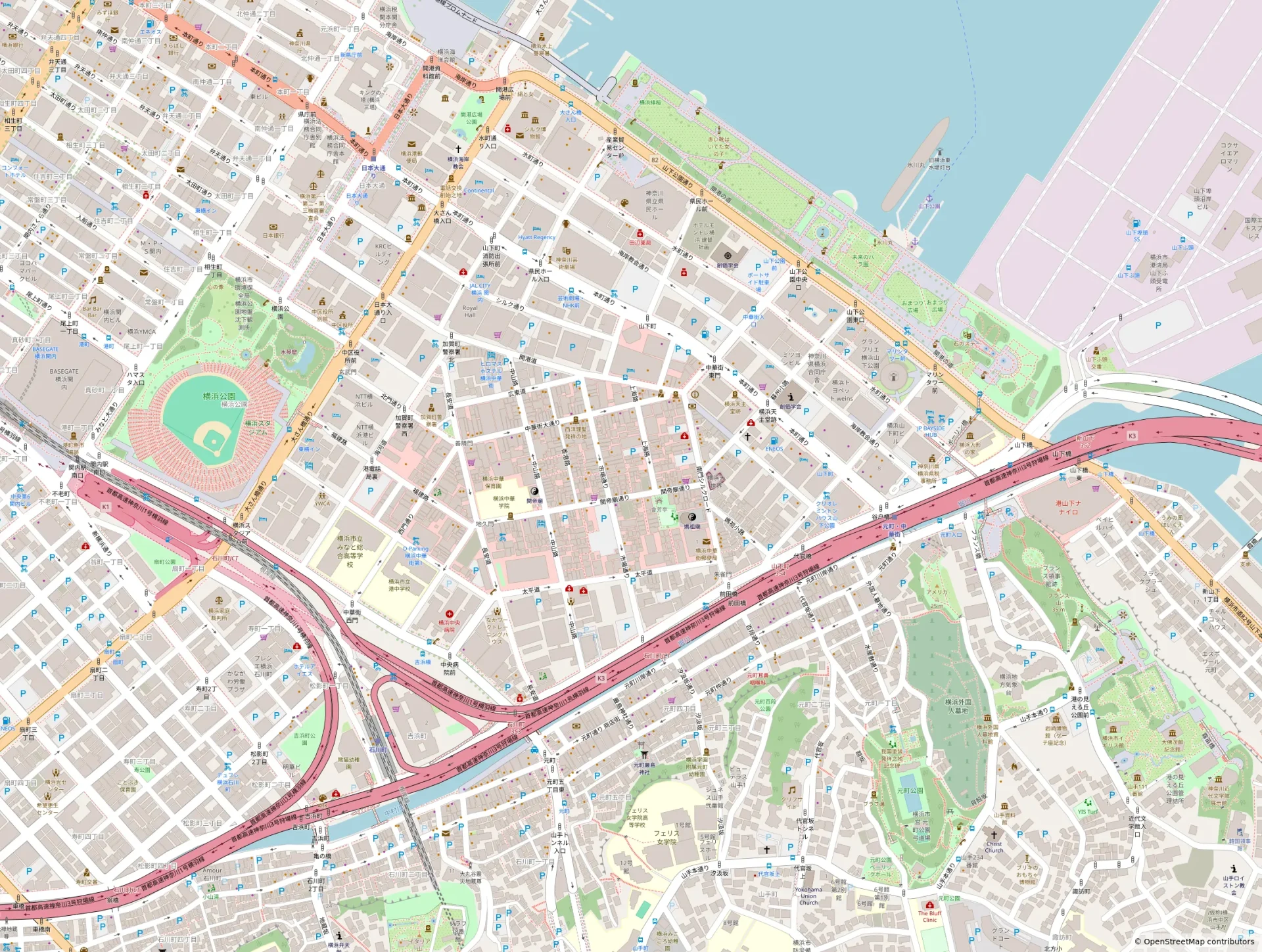
Compare Motomachi-Chukagai and JR Ishikawacho according to your accommodation and other plans. There is little value in adding a transfer solely to save a small amount of walking.
Use the official Chinatown access page and area guide for orientation. Festival crowd controls may change how you enter streets, so follow on-site directions rather than insist on an app’s shortest route.
Arrange storage for large luggage and agree on an easy meeting point outside the densest streets. Restaurant queues and performance crowds both consume time.
For the ordinary rail options from your Tokyo base, use the Tokyo–Yokohama transport guide. Choose by your actual departure station and final Chinatown approach, rather than the train’s advertised journey time alone.
A flexible day-trip structure
If food and sightseeing are your main aims, choose one Yokohama attraction in the morning, Chinatown in the afternoon, and a waterfront walk only if weather and energy allow. Do not combine every harbor attraction, a long meal and a full parade into one supposedly relaxed day.
For a performance-focused visit, keep Chinatown as the main event and allow time for food, toilets and finding the correct place. A seated meal and rest may be more valuable than chasing every performance with children or older travelers.
In poor weather, shorten the waterfront section and use indoor breaks. An indoor meal does not establish that an outdoor show will proceed. Check the restaurant’s own opening and reservation conditions.
Restaurant bookings and two ordinary walking options
If the meal is the priority, book it first and walk around the neighborhood before or afterward. If a performance matters more, choose a meal time that fits its announced session. Ask about seating, time limits, compulsory courses, children, dietary needs and cancellation conditions. A window table is not automatically a parade-viewing seat.
Takeaway snacks work well for travelers happy to try several small items, but a long food queue can consume the performance window. With children, older travelers or a fixed meal time, make one seated meal the anchor and treat snacks as optional. Keep shop doors clear and avoid taking food into crowded performance areas.
These are ordinary sightseeing suggestions, not official procession routes:
- Food and temples: enter from JR Ishikawacho, connect your restaurant with Kanteibyo, Yamashitacho Park and the Mazu temple, then leave through Motomachi-Chukagai if convenient. Enter temple grounds only under their own opening and visitor rules
- Waterfront first: Motomachi-Chukagai, Yamashita Park, then a Chinatown meal and one temple or street area. The two similarly named parks are not interchangeable event venues
For one performance, staying in the same area is more useful than repeatedly crossing the harbor district. For both food and waterfront scenery, reserve an unhurried afternoon. Check the final connection back to Tokyo; a historical midnight countdown does not establish all-night rail service in 2027.
Common questions
Is there automatically a parade on February 6?
No. The calendar date is known, but the parade needs its own 2027 announcement.
Does a November lantern display mean the main festival has begun?
Lanterns can precede Lunar New Year. Check the specific activity rather than the shared branding.
Can I book a trip now?
Yes, if you would enjoy the neighborhood regardless of performances. If a particular show is the only reason to go, keep dates flexible until the official festival information is updated for 2027.