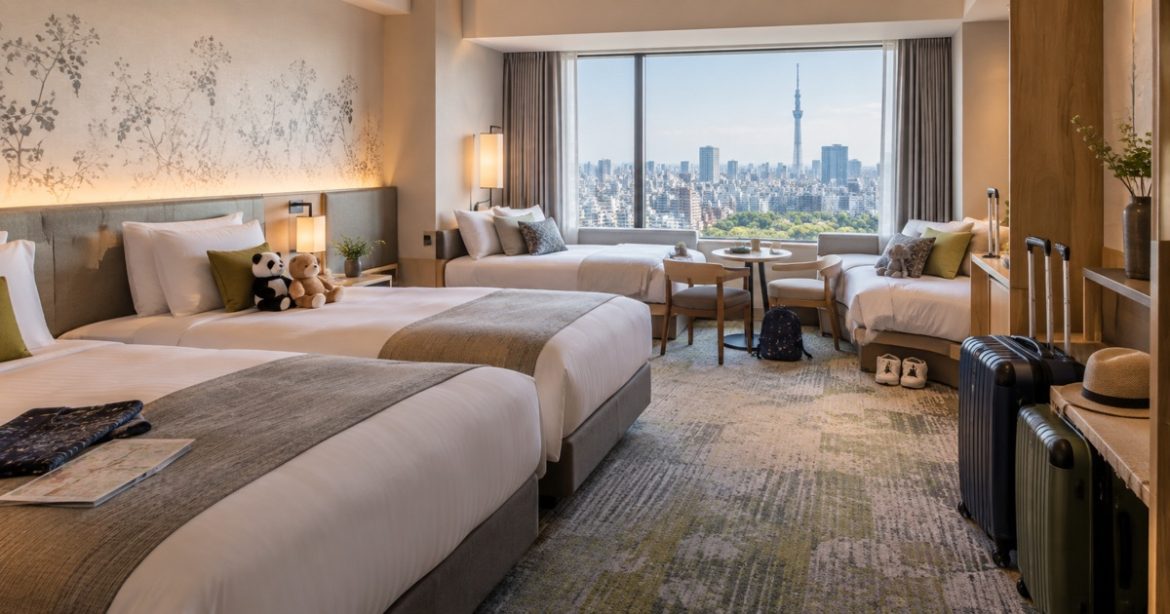

21 Family Hotels in Tokyo for Families of 3, 4, 5 or 6
The hardest part of booking a Tokyo hotel with children is rarely choosing between Shinjuku, Asakusa or Tokyo Station. It is working out whether the room you are looking at actually sleeps your family.
A room that accepts two adults and two young children sharing existing beds is not the same thing as a four-person room with four beds. Likewise, a hotel saying that children are welcome tells you nothing about whether a family of five can legally book one room, whether siblings need to share a sofa bed, or whether two rooms genuinely connect through an internal door.
Start with the sleeping layout and room capacity, then compare the facilities your family will use. The 21 hotels below cover proper quad rooms, five- and six-person rooms, two-bedroom apartments, connecting rooms, kitchens, in-room laundry and more conventional full-service hotels.
If Disney is only one day of a wider Tokyo trip, you usually do not need to move to a resort hotel. Our Tokyo to Tokyo Disneyland transport guide explains the practical difference between staying centrally and sleeping closer to the JR Keiyo Line.
Tokyo Skytree, Asakusa Hanayashiki and the Samurai & Ninja Museum are separate attractions with different admission products. Pick visits that suit your hotel area and children’s interests, then check ages, dates and any timed-entry requirements. Browse Klook products (general directory)
Which Part of Tokyo Works Best for Families?
| Base | Works especially well for | Main advantage | Main trade-off |
|---|---|---|---|
| Tokyo Station / Yaesu / Hatchobori | First visits, Shinkansen trips, one Disney day | Useful for intercity rail and eastern Tokyo | Tokyo Station itself involves long internal walks |
| Shinjuku | Western Tokyo, longer sightseeing stays | Huge choice of rail connections and restaurants | The station can be tiring with a stroller and luggage |
| Asakusa | Younger children, slower evenings, eastern Tokyo | Easy sightseeing around Sensoji and good apartment-hotel choice | Less efficient when most days are in Shibuya or Shinjuku |
| Ueno | Narita arrivals, museums, northern Tokyo | Keisei-Ueno is a major Narita gateway | Hotel location matters because Keisei and JR Ueno are not the same entrance |
| Shiomi / Tokyo Bay | Disney days mixed with central Tokyo | Direct JR corridor toward Maihama | Less neighbourhood sightseeing immediately outside the hotel |
| Odaiba | Families prioritising room space and waterfront attractions | Large-room options and a quieter evening environment | Extra transit for many classic central-Tokyo districts |
Tokyo Family Hotels: Quick Comparison
| Hotel | Area | Family bedding | Trade-off |
|---|---|---|---|
| MIMARU Tokyo Ueno East | Ueno | Four singles or two singles + bunk | Shared coin laundry |
| MIMARU Tokyo Asakusa Station | Asakusa / Kaminarimon | Family apartments and larger suites | Distinct from SUITES Asakusa |
| MIMARU Tokyo Ikebukuro | Northwest Ikebukuro | Six-person suite / eight-bed connecting | In-room laundry in suites |
| Daiwa Roynet Hotel Nishi-Shinjuku PREMIER | Nishi-Shinjuku | Family for 3; Junior Suite up to 4 | Cot only in eligible suite |
| Hotel Gracery Shinjuku | Shinjuku / Kabukicho | Triple with three fixed beds | No connecting rooms or rollaway beds |
| Hotel Metropolitan Tokyo Marunouchi | Tokyo Station / Nihombashi | Triple for 3; other layouts vary | Works planned from November 2026 |
| Mitsui Garden Hotel Toyosu Premier | Toyosu | Superior with three beds | Garden View is not a bay view |
| Tokyo Bay Shiomi Prince Hotel | Shiomi | Two singles + bunk for 4 | Age 6+ charged as adults |
| Sheraton Grande Tokyo Bay Hotel | Maihama | Family Premium: five fixed beds | Bathroom/view varies |
| Oriental Hotel Tokyo Bay | Shin-Urayasu | Marin Deluxe: six beds | Allow shuttle waiting time |
| MIMARU Tokyo Station East | Hatchobori | Four-bed apartment; six-bed suite | Standard apartment has shared laundry |
| MIMARU SUITES Tokyo Asakusa | Asakusa / Hanakawado | Four singles + two futons | Two toilets and private laundry |
| MIMARU Tokyo Shinjuku West | West Shinjuku | Six singles / Japanese mixed bedding | One bath, one toilet, shared laundry |
| karaksa hotel TOKYO STATION | Tokyo Station / Yaesu | Quad includes extra and sofa beds | Book guaranteed connecting product |
| Tokyu Stay Shibuya | Shibuya / Shinsen | Four bed positions + two sofa beds | Private laundry and kitchenette |
| MONday Apart Premium UENO | Ueno / Iriya side | Two singles + three futons for 5 | Larger parties need another room type |
| Hotel Metropolitan Edmont Tokyo | Iidabashi / Suidobashi | 37m² for up to 5 | Room renamed 12 January 2027 |
| Keio Plaza Hotel Tokyo | Nishi-Shinjuku | Four beds + sofa for up to 5 | Two toilets; connecting is separate |
| Grand Nikko Tokyo Daiba | Daiba | 50m² Quadruple | No designated view |
| Asakusa Tobu Hotel | Asakusa | Four 120 cm beds | No view; breakfast separate |
| Hotel Monday Premium Toyosu | Toyosu / Shinonome | Two connecting Deluxe Twins | Shared laundry and station shuttle |
The 21 Family Hotels in Tokyo
Compare MIMARU Tokyo Station East, Asakusa Tobu Hotel and Tokyo Bay Shiomi Prince Hotel. These are different neighbourhoods and room types: enter every child’s age and check the exact occupancy, bed arrangement, total price and cancellation terms. A hotel listing is not a guarantee that every room fits your family.
Klook1. MIMARU Tokyo Station East
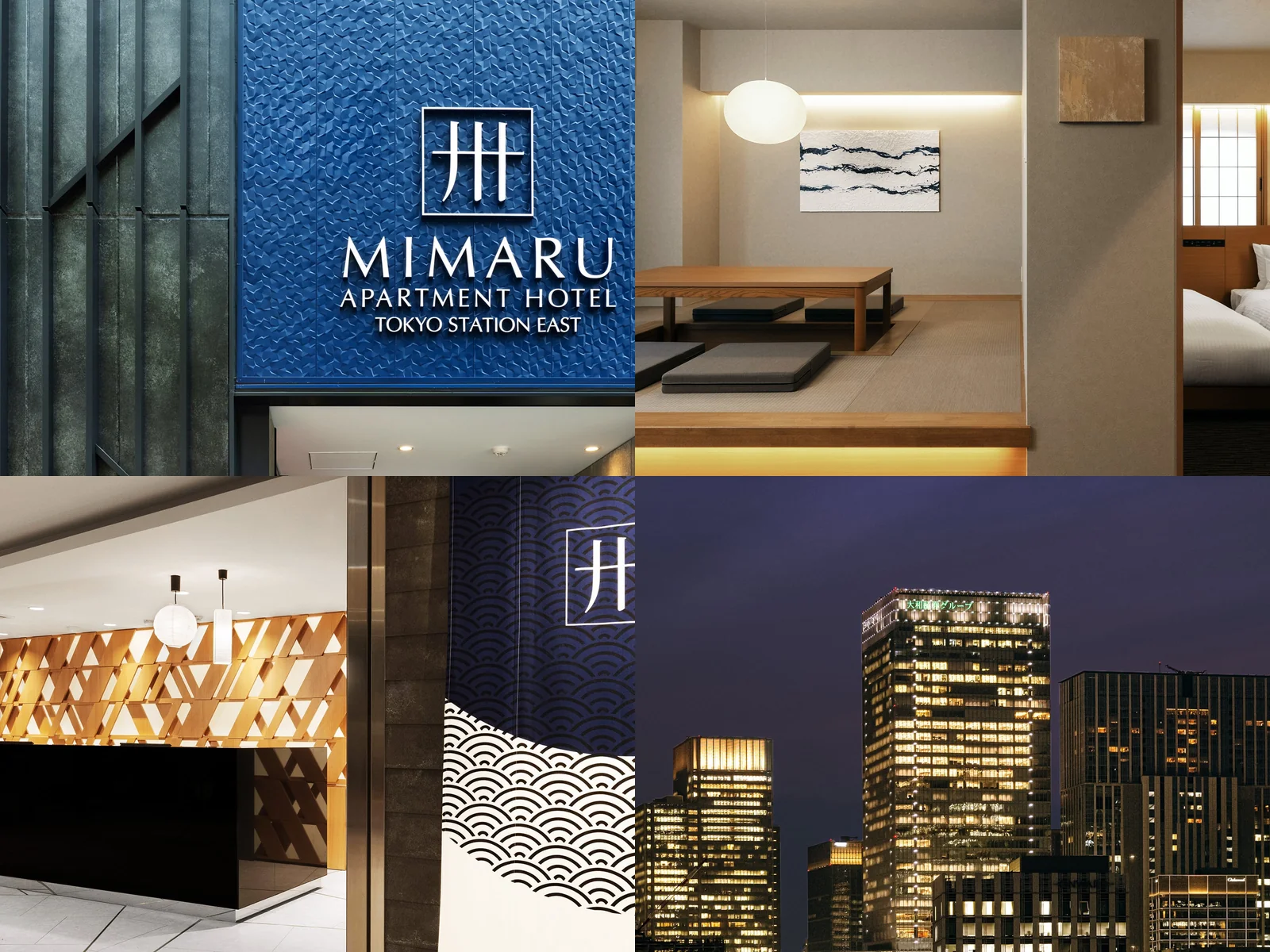
Best for: families who want an apartment layout close to the Tokyo Station side of the city without squeezing everyone into a standard hotel room.
MIMARU Tokyo Station East is most useful when you think in terms of adult beds and bed-sharing separately. Its 41–46 m² Two-Bedroom Apartment has four single beds and is declared for four adults plus two children age six and under. Those two children are not two extra adult sleeping positions: the hotel’s child category is specifically for young children staying without an additional bed.
Every room has a furnished kitchen and dining area, which is useful for breakfast before an early train, reheating food for children or simply avoiding another restaurant meal after a long sightseeing day. The Two-Bedroom Suite has two toilets and an in-room washer-dryer, while the standard Two-Bedroom Apartment does not; shared coin laundry is available. Check the exact room type instead of assuming the MIMARU name automatically means private laundry.
Booking caution: selected City View configurations are marked unavailable for new reservations after 1 November 2026, so choose according to the room specification shown for your actual travel dates rather than an older room list. Also remember that the hotel is in Hatchobori rather than physically inside Tokyo Station.
2. MIMARU SUITES Tokyo Asakusa

Best for: families of five or six who want genuinely separate sleeping zones rather than a large studio.
This is one of the clearest large-family options in Tokyo because all rooms are suites with at least two bedrooms. The 74 m² Two-Bedroom Japanese Suite has four single beds plus two futons and is configured for six adults, with up to two additional children age six and under in the hotel’s no-extra-bed child category. The standard 60 m² Two-Bedroom Suite instead has four single beds and a different capacity.
The layout is stronger than capacity alone suggests. That suite includes two toilets, three washbasins, a bathroom plus separate shower room, a kitchen, dining space and an in-room washer-dryer. Those details matter when six people need to get ready in the morning.
The hotel is on the Tobu/Tokyo Metro side of Asakusa, making Sensoji, the river and eastern Tokyo easy to build into slower family days. Families arriving from Haneda should still check which Asakusa station their train uses rather than treating every station bearing the Asakusa name as one entrance. See our Haneda Airport to Asakusa guide before choosing the final luggage route.
Booking caution: this is an apartment-style stay without hotel breakfast. The extra capacity of the six-person suite also depends on two futons, so families wanting six conventional raised beds should compare MIMARU Shinjuku West instead.
3. MIMARU Tokyo Shinjuku West
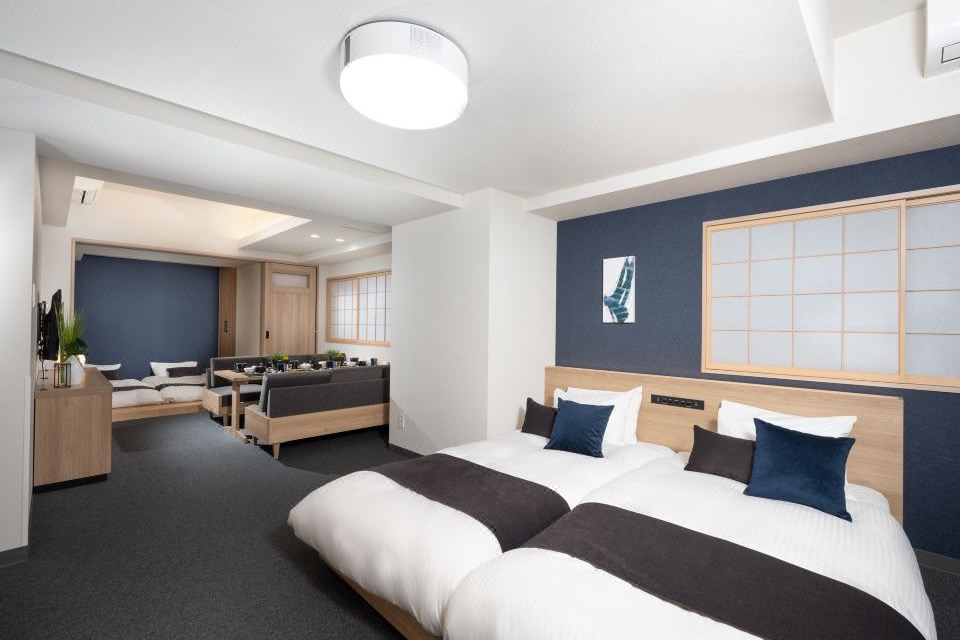
Best for: a family of five or six that wants the transport flexibility of Shinjuku but does not want two ordinary hotel rooms.
The important room here is the six-person inventory. The 58 m² Superior One-Bedroom Apartment is configured with six single beds, while the 60 m² Deluxe Japanese Apartment uses two single beds, two futons and one bunk bed. Both room types are declared for six adults, with the hotel’s separate child category allowing up to two children age six and under without additional beds.
Rooms have a full kitchen and dining table. Unlike MIMARU SUITES Asakusa, however, the rooms do not have private washer-dryers; the hotel instead provides coin laundry. The six-person rooms also have one bathroom and one toilet, so a bigger room does not automatically mean multiple bathrooms.
Booking caution: Shinjuku’s strength is also its weakness. It gives families many rail options, but walking through the station complex at the start and end of every day can be tiring with a stroller. This hotel makes most sense when several days of your itinerary are on the Shinjuku, Shibuya or western-Tokyo side.
4. karaksa hotel TOKYO STATION
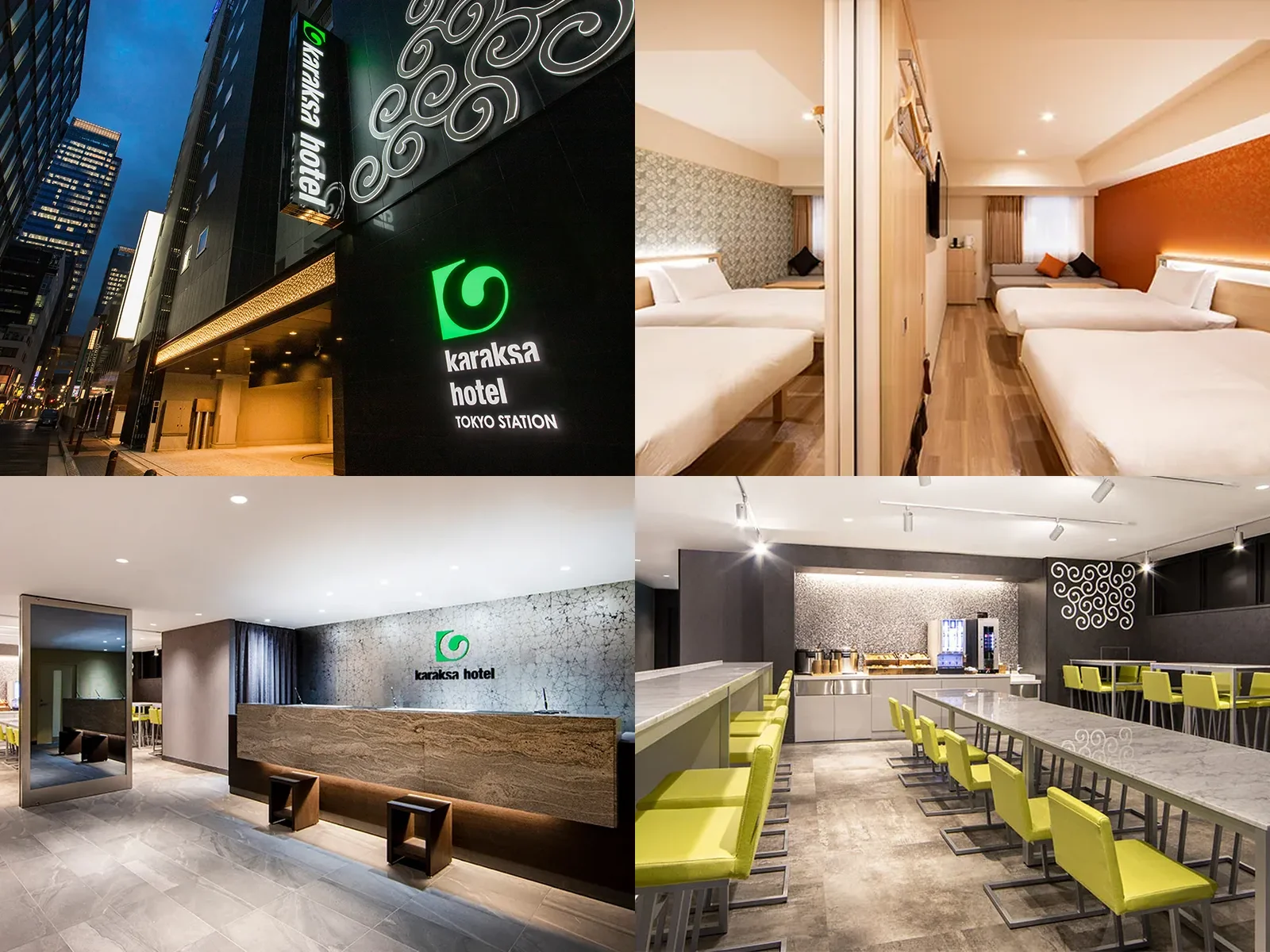
Best for: families who want Tokyo Station access but prefer two connected hotel rooms and two bathrooms over one apartment.
karaksa is especially useful because “connecting” means an actual internal door. The hotel explicitly offers connecting combinations for families and groups of up to six. Two-room configurations provide two bathrooms, which can be more practical for parents travelling with older children than one larger room with one bathroom.
There is also a Family Quadruple measuring 29.2 m² with two 110 cm beds, a 100 cm extra bed and a 90 cm sofa bed. For four people, compare that one-room layout with a connecting pair rather than assuming the more expensive configuration is automatically better. The shower, wash area and toilet are separate.
The hotel’s Yaesu location also works well when your Tokyo stay ends with an early Shinkansen departure: you can prioritise station access instead of moving the whole family across the city on departure morning.
Booking caution: only specific room combinations connect. Do not reserve two arbitrary rooms and assume the hotel can create a connecting pair later. The child bed-sharing benefit through age twelve applies to eligible direct bookings on the official site; do not assume every booking channel has the same offer.
5. Tokyu Stay Shibuya

Best for: a family of up to six staying long enough for laundry and simple cooking to matter.
The Residential Family Bunk Bed room is one of the more useful conventional-hotel alternatives to a dedicated apartment brand. It is 47 m², accommodates six people and includes a washer-dryer, kitchenette, microwave and separate bath-and-toilet arrangement. The sleeping layout uses four 120 cm bed positions plus sofa beds for the fifth and sixth guests. The 40 m² Residential Family is a different four-person room.
That combination can materially reduce luggage on a longer Tokyo stay. It also lets parents deal with breakfast, children’s snacks or simple evening meals without relying on restaurants three times a day.
The hotel is in Shinsen rather than immediately beside the famous Shibuya crossing. That can be an advantage at night, when you want to leave the busiest streets behind, but it changes the daily station walk.
Booking caution: Tokyu Stay uses a lighter housekeeping system than a traditional full-service hotel for multi-night stays. Read the current cleaning schedule before booking if daily full room servicing matters to your family.
6. MONday Apart Premium UENO
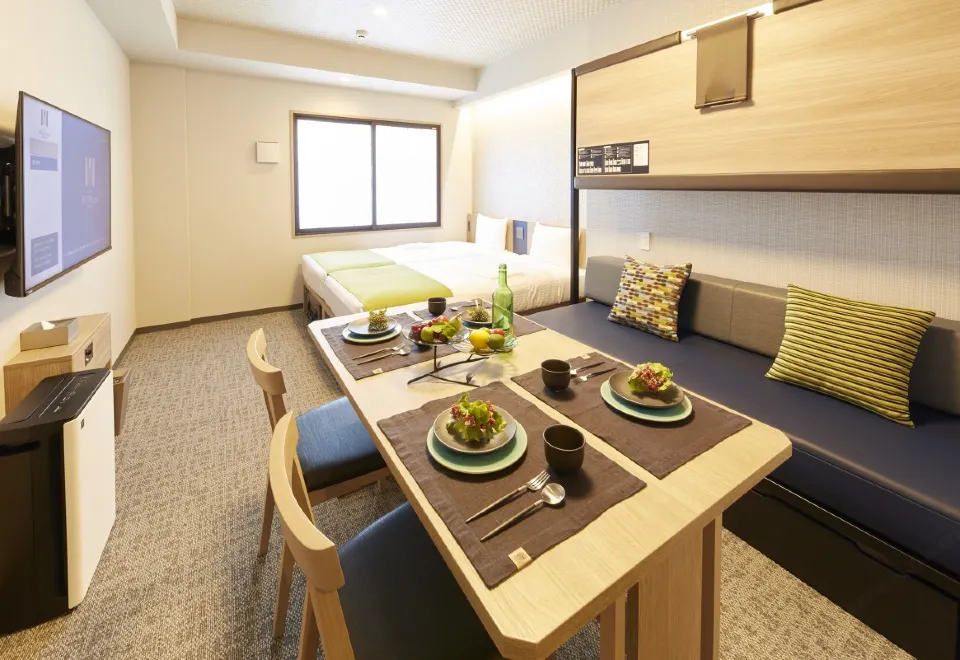
Best for: families of five, especially when Narita Airport access and in-room laundry matter.
The 36.64–37.14 m² Superior Japanese Room gives you a particularly transparent sleeping plan: two 100 cm single beds plus three 85 cm futons. Its listed room capacity is five; do not assume two additional bed-sharing guests are permitted. For a family of five needing their own sleeping positions, the two-bed-plus-three-futon setup is the more important number.
The apartment also has an in-room washer-dryer, large refrigerator, IH kitchen, rice cooker, microwave, cooking equipment and dining facilities. That is a substantial practical upgrade over a standard five-person hotel room.
Ueno also deserves consideration after a Narita arrival because Keisei-Ueno is the terminus of the Skyliner. The final hotel transfer still matters, however: Keisei-Ueno and JR Ueno should not be treated as one doorway. Our Narita Airport to Ueno guide explains the station difference.
Booking caution: this property is in the broader Ueno area rather than directly above Keisei-Ueno. If the entire reason you are choosing Ueno is to minimise the post-flight walk with several large suitcases, compare the final street-level transfer before booking.
7. Hotel Metropolitan Edmont Tokyo

Metropolitan Edmont: family room and renaming date
Best for: a family of five that wants one room but prefers a traditional hotel to an apartment stay.
The East Wing Family room is 37 m² and accommodates up to five people. The hotel starts from a twin-bed configuration and uses extra beds for higher occupancy, so “sleeps five” should not be interpreted as five identical permanent beds.
The room has a separate bathroom and toilet, which is a meaningful practical advantage over many conventional Tokyo family rooms. Hotel Metropolitan Edmont is also useful for families who want restaurant and hotel services rather than a self-catering apartment.
Booking caution: the room name changes to Deluxe Twin–East Wing on the hotel’s booking system from 12 January 2027, so identify it by configuration and declared capacity rather than relying only on the historic “East Wing Family” name. More importantly, confirm the displayed five-person bed setup for your dates before paying.
8. Tokyo Bay Shiomi Prince Hotel
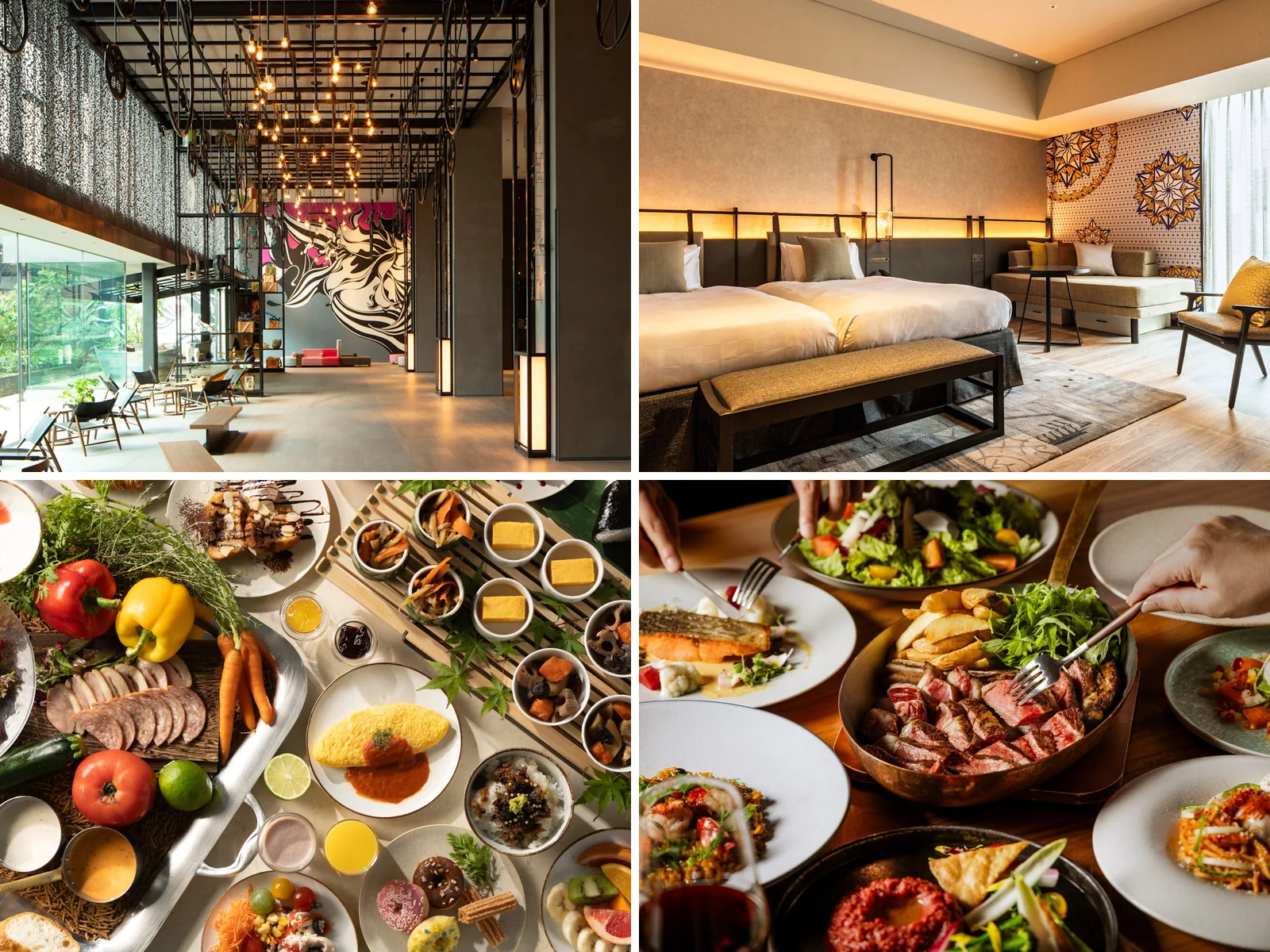
Best for: a family of four doing one or two Disney days but still wanting to stay inside Tokyo.
The 29.7 m² Twin Room with Bunk Bed has two single beds plus a bunk and accommodates up to four adults. This is a clear four-person sleeping arrangement rather than a normal twin room being stretched through child bed-sharing.
The hotel’s location is the bigger reason to choose it. Shiomi is on the JR Keiyo/Musashino corridor toward Maihama, and the hotel advertises a roughly nine-minute rail journey from Shiomi to Maihama. Tokyo Station is in the opposite direction on the same corridor. Choose a service that stops at Shiomi rather than assuming every train on the corridor does.
For younger children, the hotel’s stated policy allows children under six to stay free when sharing an existing bed. Do not count that policy as another bunk or extra mattress: it is bed-sharing.
Booking caution: Shiomi is convenient for the railway rather than for having Shibuya, Shinjuku, Asakusa and Ueno outside your door. It works best when Disney and eastern Tokyo form a meaningful part of the itinerary.
9. Keio Plaza Hotel Tokyo
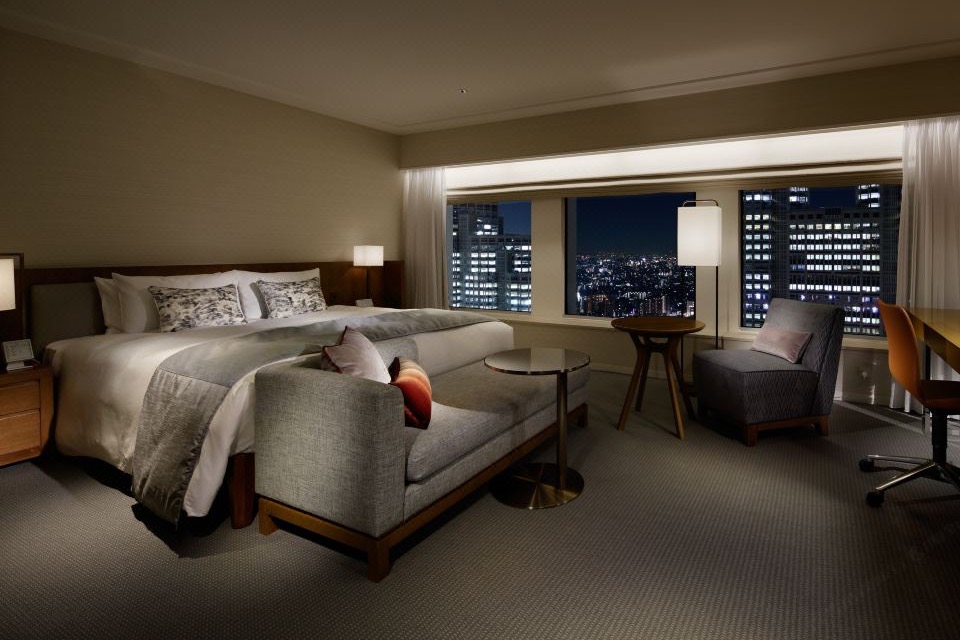
Best for: families wanting a premium full-service Shinjuku hotel, especially when connecting rooms matter.
Keio Plaza has two different family solutions worth separating. The 46.3 m² Luxury Family Room is listed for three to five guests, with four 120 cm beds and a 90 cm sofa bed, two toilets, a bath and separate shower. For families who want more privacy, selected Deluxe Select rooms can connect; a 71 m² two-room configuration covers three to four people and provides substantially more floor area than one ordinary room.
The hotel’s booking engine also distinguishes children who need beds from children who do not: children age zero to five can stay without an additional charge when no bed is required. That is a bed-sharing rule, not permission to exceed the room’s declared bed configuration with extra mattresses.
Booking caution: do not book two standard rooms merely because the hotel offers connecting accommodation elsewhere. Connecting capability belongs to specific room products, and the one-room Luxury Family configuration is a different booking choice again.
10. Grand Nikko Tokyo Daiba

Best for: a family of four that values a larger conventional hotel room and quieter waterfront evenings.
The useful room is the Luxury Quadruple. It is 50 m² and officially available for up to four guests, giving a family considerably more floor area than many central-city quad rooms.
The hotel is directly connected to Daiba Station on the Yurikamome Line. That makes the arrival with children and luggage straightforward once you reach the line, and Odaiba itself gives families easy access to large indoor attractions, waterfront space and shopping.
Booking caution: do not choose Odaiba purely because the room is bigger. If most of your itinerary is Shinjuku, Shibuya, Asakusa and Ueno, the extra daily transport can cancel out some of the comfort gained inside the room. The Luxury Quadruple has no designated view, so do not book it expecting a guaranteed bay panorama.
11. Asakusa Tobu Hotel
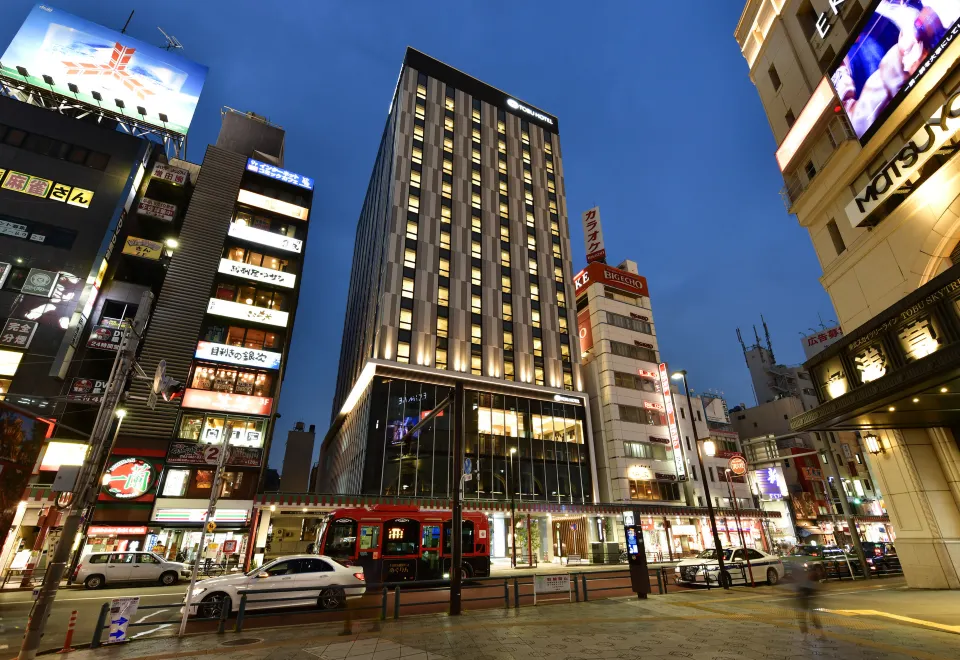
Best for: a family of four wanting four proper beds without paying for an apartment layout.
The Deluxe Quadruple is unusually straightforward: 36 m², four 120 cm-wide beds and an official capacity of four. It also has a bathroom with washing area, separate toilet and washbasin, which makes it a more convincing family room than a standard twin with two temporary extra beds.
The hotel’s bed-sharing policy is also clearly stated: one elementary-school-age-or-younger child may share each existing bed free of accommodation charge. Parents should still decide whether that arrangement is comfortable rather than treating the hotel’s permitted occupancy as the recommended sleeping plan. Breakfast is separate from the accommodation-only bed-sharing allowance.
The location is particularly useful for families spending time around Sensoji or planning onward Tobu Railway travel. Even here, remember that Tobu Asakusa, Tokyo Metro Asakusa and the Toei Asakusa Line platforms are different arrival points.
Booking caution: the Deluxe Quadruple has no view. Book it for the four-bed layout and bathroom arrangement, not for a Skytree panorama.
12. Hotel Monday Premium Toyosu
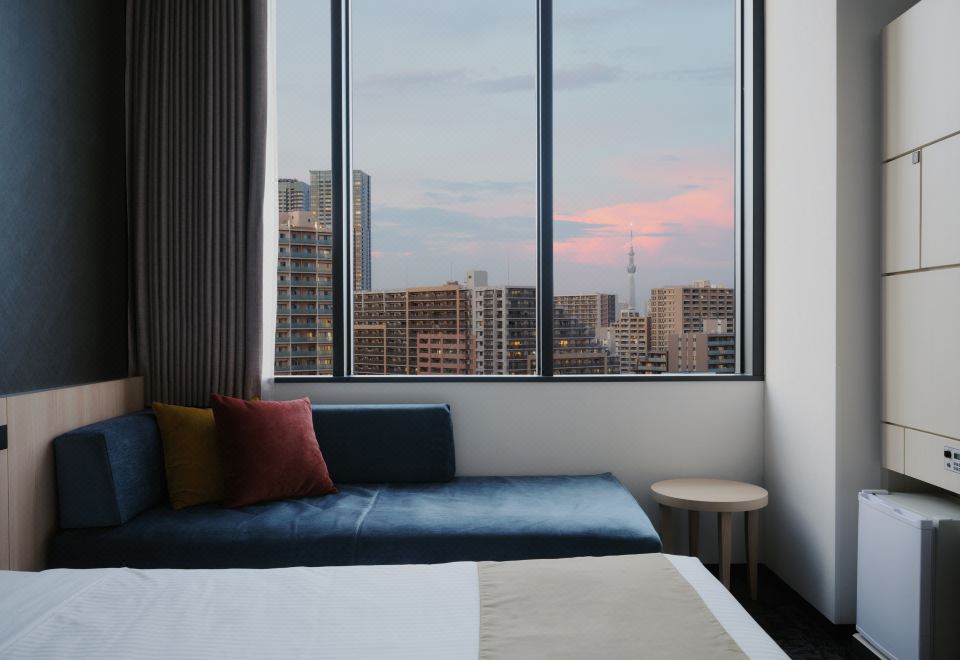
Best for: a family of five or six that wants connecting rooms without paying for a two-bedroom apartment in the most central districts.
The hotel sells a specific connecting-room product using two Deluxe Twin Rooms with Sofa Beds. JTB lists this connecting configuration for six adults; check the exact product and occupancy for your dates. Each individual room can accommodate up to three using two single beds and a sofa bed, so a six-person booking gives the family two separate rooms rather than forcing six sleepers into one space.
The two-room structure also gives families two bathrooms. The hotel has paid coin laundry, a large public bath and a free shuttle linking the property with Toyosu Station.
Children age six and under may share existing beds free under the hotel’s current rules, subject to its bed-sharing limits. As elsewhere in this guide, that does not create an additional bed.
Booking caution: Toyosu/Shinonome is not the neighbourhood to choose simply for classic Tokyo sightseeing convenience. It is the configuration that makes this hotel compelling. Reserve the actual connecting-room product rather than two independent rooms.
13. MIMARU Tokyo Ueno East
Apartment (4 Single-Beds) has four singles in 38 m²; Family Apartment has two singles plus one bunk in 39 m². Both list four adults plus up to two children aged six or under sharing existing beds. Kitchens and dining tables are provided, but these categories use shared coin laundry.
This is a good eastern-Tokyo apartment base for Ueno Park, museums and Asakusa. The official three-minute walk refers to JR Ueno, not the Skyliner platform at Keisei-Ueno. After a Narita arrival, compare the final walk with your bags and stroller rather than assuming all Ueno stations share one entrance.
14. MIMARU Tokyo Asakusa Station
This is MIMARU Tokyo Asakusa Station at 2-20-4 Kaminarimon, distinct from MIMARU SUITES Tokyo Asakusa in Hanakawado. Its apartment inventory includes family rooms with two singles and a bunk, plus larger suites; do not treat the two properties’ layouts as interchangeable.
The appeal is a slower Asakusa stay close to Kaminarimon, Sensoji and the Sumida River. Put Skytree and riverside time on an eastern-Tokyo day instead of crossing the city repeatedly. Reserve a named river-view category if that view matters, and check private-laundry equipment on the actual room specification.
15. MIMARU Tokyo Ikebukuro
Two-Bedroom Family Suite is 58 m² with four singles and a bunk for six adults, plus up to two children aged six or under sharing existing beds. It has two toilets, a bath and separate shower, and a washer-dryer. The eight-single-bed connecting apartment instead uses shared laundry.
Ikebukuro works for shopping, anime interests and indoor rainy-day alternatives, but this property is northwest of the station rather than beside Sunshine City. A longer stay makes the suite’s laundry and kitchen more valuable. Choose between a suite and a connecting apartment by sleeping privacy, bathroom count and equipment, not capacity alone.
16. Daiwa Roynet Hotel Nishi-Shinjuku PREMIER
Family Room is a 24 m² three-person category; the 49 m² Junior Suite accommodates up to four. Most rooms have a glass-partitioned semi-separate bathroom, while the Junior Suite lists a fully separate arrangement. Standard and Family rooms do not accept an additional cot or extra bed; the suite allows requests, subject to availability.
Choose it for the western side of Shinjuku, the nearby park and journeys toward western Tokyo. It is particularly relevant to a smaller family or a household booking the specific Junior Suite. The practical difference between a semi-separated bathroom and a completely separate one matters when several people need to get ready at once.
17. Hotel Gracery Shinjuku
Triple Room has three fixed 110 cm single beds in 28 m². The hotel does not offer connecting rooms or additional rollaway beds. Preschool children aged six or under may share one per bed; elementary-school children are charged as adults, and bed-sharing does not include meals.
The Godzilla exterior makes the building easy to recognise, but a themed landmark is not a promise of terrace access or a themed guest room. Kabukicho is busy in the evening, so judge the street-level return route with children. This is a stronger fit for three people needing proper beds than for four people trying to stretch a basic twin.
18. Hotel Metropolitan Tokyo Marunouchi
The 25 m² Triple accommodates three. Train View categories and four-person King configurations are separate products with different bedding. Planned work on floors 29–30 runs from 1 November 2026 to 31 March 2027, 10:00–17:00, with possible noise or vibration; those floors are closed to guests during the work.
It is a practical short-stay choice before a Shinkansen departure and for children interested in trains. The Nihombashi-side location does not remove long internal walks to every platform, especially the Keiyo Line. For a child who needs an afternoon nap during the renovation period, compare another property before choosing solely for station access.
19. Mitsui Garden Hotel Toyosu Premier
Superior, 3 beds is 30.3 m² with three 111 cm beds for three guests. It is a Garden View category, not a guaranteed Tokyo Bay view. The 36th-floor public bath is free for hotel guests, subject to bathing rules; it does not replace the need to check the private bathroom for young children.
Choose Toyosu when teamLab Planets, KidZania, the market or the waterfront form a meaningful part of the trip. The station and shopping links are convenient with children, but they do not make the hotel central to Shinjuku or Shibuya. Reserve the explicit view category and compare travel across the entire stay.
20. Sheraton Grande Tokyo Bay Hotel
Family Premium Room is 54 m² with five permanently installed beds. A standard Grande Room instead starts with two double beds and uses single extra beds from the third guest onward. Family Premium bathroom layouts vary by floor, and a specific design or view cannot be selected. Child bed-sharing, breakfast and leisure-facility charges are separate questions.
Choose it when consecutive Disney days or time using resort facilities justify staying in Maihama. The property is large, so the route from the room to breakfast, the lobby and Bayside Station still matters. Names such as Ocean Dream and Park Wing do not guarantee an ocean or park view; select a plan based on the actual confirmed room details.
21. Oriental Hotel Tokyo Bay
Marin Deluxe is 42 m² for up to six, with four 110 cm beds and two 90 cm beds, a washing-area bathroom and a shoes-off layout. The general bed-sharing rule covers preschool children up to six, normally up to two per room and no more than the paying adults; specific room exceptions apply. Breakfast is separate.
The direct link to Shin-Urayasu North Exit is helpful for supermarkets, meals and last-minute children’s supplies. The guest shuttle to Tokyo Disney Resort takes around fifteen minutes before waiting or traffic. It is a practical resort-area alternative for larger families, but repeated trips to western Tokyo will add commuting.
Best Tokyo Hotels for a Family of Four
A family of four has the widest choice, but the first question should still be whether everyone needs a separate bed.
Choose Asakusa Tobu Hotel if four full-size sleeping positions are more important than having a kitchen. The Deluxe Quadruple has four proper beds and a separate toilet.
Choose Tokyo Bay Shiomi Prince Hotel if one or two Disney days are central to the trip. The bunk-bed room gives four defined sleeping places and avoids a Tokyo Station transfer on the way to Maihama.
Choose MIMARU Tokyo Station East when a kitchen and separate bedrooms matter more than full hotel facilities.
Choose Grand Nikko Tokyo Daiba when room space and a quieter waterfront environment matter more than minimising every sightseeing journey.
Best Tokyo Hotels for a Family of Five or Six
Families of five and six need to ignore generic “family room” labels and search by actual occupancy.
For six people needing six legitimate sleeping places, MIMARU SUITES Tokyo Asakusa, MIMARU Tokyo Shinjuku West, Tokyu Stay Shibuya, karaksa hotel TOKYO STATION and the connecting configuration at Hotel Monday Premium Toyosu are the clearest options in this list.
For five, Hotel Metropolitan Edmont gives you a one-room conventional-hotel solution, while MONday Apart Premium UENO is stronger when a kitchen, washer-dryer and explicit two-bed-plus-three-futon layout are useful.
Best Tokyo Hotels with Connecting Rooms
A connecting room means there is an internal door between the rooms. “Adjoining,” “nearby” and “same floor” do not necessarily mean the same thing.
karaksa hotel TOKYO STATION is particularly convincing for families because its connecting setup is a core room feature and provides two bathrooms.
Keio Plaza Hotel Tokyo works when you want a higher-service Shinjuku hotel and are willing to book the specific connecting Deluxe Select configuration.
Hotel Monday Premium Toyosu is the larger-family alternative: the specified connecting Deluxe Twin with Sofa Bed product accommodates up to six across two rooms.
Best Apartment Hotels in Tokyo for Families
Apartment hotels become more valuable as the stay gets longer. A kitchen does not mean you need to cook dinner every night; even a refrigerator, microwave, plates and dining table can transform breakfast and snack logistics with children.
For the strongest two-bedroom layout, choose MIMARU SUITES Tokyo Asakusa. For Shinjuku, choose MIMARU Tokyo Shinjuku West. For five people plus excellent laundry facilities, MONday Apart Premium UENO is especially practical.
Tokyu Stay Shibuya sits between a normal hotel and an apartment stay: the six-person Residential Family Bunk Bed room gives you a washer-dryer and kitchenette without moving to a dedicated apartment-hotel brand.
Which Hotel Is Best for Tokyo Disney Days?
If Disney takes only one day, do not automatically relocate the family to Maihama. A central or eastern-Tokyo hotel can be easier for the rest of the trip.
Tokyo Bay Shiomi Prince Hotel offers a useful city-and-Disney compromise: Shiomi and Maihama share the JR Keiyo/Musashino corridor, while central Tokyo remains accessible. For a trip focused on consecutive park days, also compare the Maihama and Shin-Urayasu hotels.
MIMARU Tokyo Station East is another strong compromise. Hatchobori provides access to the same broader Keiyo corridor while keeping you closer to central Tokyo sightseeing.
Shinjuku and Shibuya remain possible for a Disney day, but the morning involves more transport. If you are visiting both parks on consecutive days and expect to stay until closing, compare a proper resort-area stay instead of forcing every day into a central-Tokyo base.
Which Tokyo Family Hotel Is Best After an Airport Arrival?
For Narita Airport, Ueno deserves special consideration. The Keisei Skyliner terminates at Keisei-Ueno, making MONday Apart Premium UENO attractive when you want an apartment after a long flight. It is not immediately above the Skyliner platforms, however, so calculate the final transfer with luggage.
For Haneda Airport, Asakusa can be useful because suitable Keikyu/Toei through-services remove a transfer. MIMARU SUITES Tokyo Asakusa and Asakusa Tobu Hotel are therefore worth comparing when eastern Tokyo already suits your sightseeing plan.
Grand Nikko Tokyo Daiba is another airport-oriented option for families prioritising a more straightforward waterfront arrival and larger rooms, but its location should still make sense for the rest of the trip.
Which Hotels Have the Best Laundry and Kitchen Setup?
| Hotel | Kitchen | Laundry | Family takeaway |
|---|---|---|---|
| MIMARU SUITES Tokyo Asakusa | Full furnished kitchen | In-room washer-dryer | Strongest combination for a long large-family stay |
| MIMARU Tokyo Station East | Full furnished kitchen | Depends on room; coin laundry also available | Check room type carefully |
| MIMARU Tokyo Shinjuku West | Full furnished kitchen | Coin laundry | Excellent kitchen, weaker private-laundry setup |
| Tokyu Stay Shibuya | Kitchenette in selected family rooms | In-room washer-dryer | Very practical for a long Shibuya stay |
| MONday Apart Premium UENO | IH kitchen with cookware | In-room washer-dryer | Excellent for five-person stays |
Strollers and Luggage: What Matters More Than a Short Walking Time
A hotel advertised as a few minutes from a station can still be awkward with a stroller if the useful railway platform is on the opposite side of a huge terminal.
With children, prioritise the actual railway you will use most often. Tokyo Station is excellent for Shinkansen travel but involves long internal walks. Shinjuku offers exceptional connectivity but is another large station complex. Ueno requires families to distinguish Keisei-Ueno from JR Ueno. Asakusa has separate Tokyo Metro, Toei, Tobu and Tsukuba Express station areas.
For families with two large suitcases and a stroller, a short taxi for the final hotel transfer can also make more sense than choosing a worse hotel purely to save a few hundred metres on arrival day.
Choose walking, food or cycling tours around the children’s ages, fitness and interests. Check the meeting point, departure time and guide language, and confirm that any bicycle experience accepts each child. A hotel stay does not include these activities. Browse Klook products (general directory)
Tokyo Family Hotel Booking FAQ
Can four people stay in any Tokyo twin room?
No. A twin room may legally accommodate only two people even when two young children could share the adults’ beds under a hotel child policy. Always enter the children’s ages and total party size when searching.
What is the difference between maximum occupancy and the number of beds?
Maximum occupancy is the number of guests the hotel allows in that particular room configuration. It does not tell you that every guest receives an identical bed. A five-person room may use three extra beds; a six-person Japanese room may combine beds and futons.
Does “children stay free” mean the hotel adds a free bed?
Usually not. In this guide, whenever a hotel allows young children to stay free under a bed-sharing policy, those children are using existing sleeping space unless the hotel explicitly says otherwise.
Should a family of five book one room or two rooms?
Compare both. One large room is easier when the children are young, but two connecting rooms give older children more privacy and usually provide a second bathroom. A connecting pair can also occasionally be more practical than a premium five-person suite.
Are connecting rooms guaranteed if I request them?
Not unless you book a room type or plan that explicitly guarantees the connecting configuration. A request in the booking notes is not the same thing.
Which hotel in this guide clearly works for six adults?
MIMARU SUITES Tokyo Asakusa has a Two-Bedroom Japanese Suite for six adults, MIMARU Tokyo Shinjuku West has selected six-adult rooms, Tokyu Stay Shibuya has a six-person Residential Family Bunk Bed room, and selected connecting-room products at karaksa hotel TOKYO STATION and Hotel Monday Premium Toyosu also reach six-person capacity.
Which option is strongest for a family of five?
MONday Apart Premium UENO is especially transparent because the Superior Japanese Room specifies two single beds plus three futons for five adults. Hotel Metropolitan Edmont is a better fit if you prefer a conventional full-service hotel rather than an apartment.
Which hotels have an in-room washer-dryer?
MIMARU SUITES Tokyo Asakusa, selected MIMARU Tokyo Station East suites, Tokyu Stay Shibuya family rooms and MONday Apart Premium UENO are the strongest choices in this list. MIMARU Tokyo Shinjuku West uses shared coin laundry instead.
Do all MIMARU hotels have the same room layout?
No. Capacity, number of bathrooms and laundry facilities differ substantially by branch and room type. Always book from the room specification rather than the brand reputation alone.
Is Tokyo Station automatically the easiest place with children?
No. It is excellent for Shinkansen travel and useful for Disney, but it is a very large station. A family making mostly Shinjuku and Shibuya journeys may be better off staying west rather than crossing Tokyo every day.
Should we stay in Shiomi for Disneyland?
It makes sense when Disney is a major part of the trip but you still want to sleep inside Tokyo. If Disney is only one day and the rest of your itinerary is heavily focused on western Tokyo, compare the total transport for the full stay rather than optimising a single morning.
Is Ueno the best base after landing at Narita?
It is one of the simplest rail choices because the Skyliner serves Keisei-Ueno. It is particularly useful for Asakusa, museums, Akihabara and northern Tokyo. It is less compelling when almost every sightseeing day is in Shibuya or Shinjuku.
Do apartment hotels always save money for a large family?
No. Their advantage is space, occupancy and facilities, not guaranteed price. Compare the exact apartment against two conventional rooms for your dates.
Final Recommendation: Which Tokyo Family Hotel Should You Book?
For a family of four wanting four real beds: start with Asakusa Tobu Hotel.
For a family of five: choose MONday Apart Premium UENO for self-catering and laundry, or Hotel Metropolitan Edmont when you prefer traditional hotel service.
For a family of six: MIMARU SUITES Tokyo Asakusa has the strongest combination of two bedrooms, six adult sleeping positions, kitchen, private laundry and multiple bathroom facilities. MIMARU Tokyo Shinjuku West is the better location when western Tokyo dominates the itinerary.
For connecting rooms: karaksa hotel TOKYO STATION is the strongest central option; Keio Plaza suits a more premium Shinjuku stay; Hotel Monday Premium Toyosu is worth comparing when six-person capacity matters more than being in the busiest sightseeing district.
For one or two Disney days: Tokyo Bay Shiomi Prince Hotel gives a family of four a straightforward quad configuration on the JR corridor toward Maihama.
For a longer stay with washing and cooking: prioritise MIMARU SUITES Tokyo Asakusa, MONday Apart Premium UENO or Tokyu Stay Shibuya.
The key rule is simple: book the room configuration first and the hotel name second. In Tokyo, the difference between a comfortable family stay and a difficult one is often not the star rating—it is whether the reservation actually contains enough legal sleeping positions, enough bathrooms and the facilities your family will use every day.
Planning One or Two Nights With Children
For one night, choose the station or activity that determines the following morning: Tokyo Station for a Shinkansen, Ueno for a Narita-led eastern-Tokyo visit, or Shiomi, Maihama or Shin-Urayasu for Disney. With two nights, keep one day near the hotel area and give the second day one main destination. A short stay rarely benefits from adding a distant day trip and changing hotels at the same time.
When a Disney Split Stay Is Worth It
For one Disney day, Shiomi or Hatchobori can keep the rest of Tokyo accessible without a move. For two consecutive park days ending late, Sheraton Grande Tokyo Bay or Oriental Hotel Tokyo Bay can reduce the final journey. Balance that against repacking, check-in time and how much of the remaining trip is in Shinjuku or Shibuya.
Tickets Should Follow the Hotel Area and Itinerary
A Tokyo Subway Ticket covers the participating subway networks, not JR journeys to Maihama or every airport service. Compare the actual rides before buying. Skyliner, Disney admission, teamLab Planets and Skytree are separate bookings with their own dates and conditions. Reserve the hotel and ticket products for matching dates; a hotel stay does not automatically include attraction admission.
Budget for the Whole Family
Compare one apartment with two conventional rooms using the same adult and child ages, cancellation conditions and breakfast needs. A lower starting price may cover fewer guests or exclude extra beds. Kitchens can reduce meal costs when you will use them, but apartment hotels are not automatically cheaper. Avoid choosing a distant area solely for the nightly price when it adds long journeys every day.
Metropolitan Marunouchi: 2026–2027 renovation notice
Metropolitan Edmont: family room and renaming date
Tokyu Stay Shibuya: operator bedding specifications
Oriental Hotel Tokyo Bay: child bed-sharing rules
Hotel Gracery Shinjuku: children and extra-bed FAQ
JTB: connecting-room product for six adults
MONday official directory: Toyosu accommodation for up to six
Tokyo Activities Around Your Hotel Area
Choose extra activities by your hotel area, travel dates and children’s needs. Activities are booked separately.